This site is supported by our readers. We may earn a commission, at no cost to you, if you purchase through links.

Your vacuum cleaner doesn’t need to become a full-time job just because you want a big dog. Large dog breeds with low shedding exist across multiple genetic lines, each carrying specific coat characteristics that minimize hair loss while maintaining the size and presence you’re looking for.
These breeds shed differently than their fluffy counterparts because of distinct coat structures—single-layer coats, tight curls that trap loose hair, or wiry textures that hold dead strands until you brush them out. You won’t find a completely shed-free dog, but understanding coat biology, hormonal influences, and proper grooming techniques transforms a potentially hairy situation into something manageable.
The right match depends on your lifestyle, space, and commitment to maintenance routines that keep both coat and health in prime condition.
Table Of Contents
- Key Takeaways
- What Makes a Dog Low-Shedding?
- Top Large Dog Breeds With Low Shedding
- Grooming Needs of Low-Shedding Large Breeds
- Health and Lifestyle Considerations
- Choosing The Best Breed for Your Family
- Frequently Asked Questions (FAQs)
- Which large dog breed sheds the least?
- What is the calmest non-shedding dog?
- What are the potential health issues for large hypoallergenic dogs?
- How do I introduce a low-shedding big dog to my family?
- Are low-shedding large dogs good with children?
- How much do low-shedding breeds typically cost?
- Do these breeds require special shampoos or products?
- Conclusion
Key Takeaways
- Low-shedding large breeds like Standard Poodles, Giant Schnauzers, and Portuguese Water Dogs achieve minimal hair loss through specific genetic coat structures—single-layer, curly, or wiry textures that trap loose hair rather than releasing it into your home.
- No dog breed is truly hypoallergenic since all dogs produce dander and saliva proteins that trigger allergies, but low-shedding breeds reduce allergen exposure through decreased hair distribution and require individual allergy testing before commitment.
- These breeds demand consistent grooming investments, including professional trimming every 6-8 weeks and regular brushing (daily to three times weekly, depending on coat type) to prevent matting and maintain coat health, making them low-shedding but not low-maintenance.
- Successful breed selection requires matching coat maintenance capacity with your lifestyle factors—daily exercise needs of 60-120 minutes, living space considerations, and family dynamics—rather than choosing based solely on appearance or shedding characteristics.
What Makes a Dog Low-Shedding?
Not all dog coats are created equal, and understanding what actually makes a breed shed less can save you from years of vacuuming frustration. The secret lies in genetics, coat structure, and how your dog’s hair grows and falls out.
Understanding a dog’s genetics and coat structure is the key to escaping years of vacuuming frustration
Let’s break down the science behind low-shedding breeds so you can make an informed choice for your home.
Coat Types and Shedding Explained
Understanding shedding mechanisms starts with coat texture and structure. You’ll find that large dog breeds with low shedding usually have one of these coat types:
- Single-layer coats shed continuously but minimally, releasing steady amounts of hair year-round without dramatic seasonal peaks.
- Curly or wavy textures trap loose hairs within the coat, greatly reducing visible shedding in your home.
- Dense undercoats determine shedding volume during growth cycles, with thicker layers releasing more hair.
- Wiry coats hold dead hair until manual removal through brushing or stripping.
To better analyze these coat types, researchers must consider research methodology when studying dog breeds.
The Hypoallergenic Myth
You’ve probably heard certain large dog breeds called hypoallergenic, but here’s the truth: no breed is completely allergen-free. All dogs produce dander and saliva proteins that trigger pet allergies, regardless of coat type. Low shedding and non shedding breeds may reduce allergen exposure, yet breed sensitivity varies widely among individuals. Before committing, arrange allergy testing and supervised visits to assess your reaction to specific hypoallergenic dogs. Understanding clear science information is vital for making informed decisions about dog breeds and allergies.
| Common Belief | Scientific Reality |
|---|---|
| Hypoallergenic dogs don’t cause allergies | All breeds produce allergens in dander and saliva |
| Low shedding equals allergen-free | Dander reduction helps but doesn’t eliminate dog allergies |
| One breed works for everyone | Individual breed sensitivity differs more than coat types |
Factors Influencing Shedding in Large Breeds
Beyond coat type alone, genetic factors and environmental influences interact to determine shedding patterns in large breed dogs. Coat biology, including undercoat thickness and guard hair density, affects visible shedding by up to 40%.
Hormonal effects from thyroid function or seasonal cycles, plus temperature fluctuations and humidity, alter shedding intensity. Even low shedding breeds respond to these variables, challenging the notion that hypoallergenic dogs shed uniformly.
Top Large Dog Breeds With Low Shedding
You’ll find some outstanding large dogs that combine impressive size with minimal shedding, thanks to specific coat genetics and breed development. These nine breeds range from working dogs with wiry coats to water dogs with curly fur, each bred for purposes that required low-maintenance hair.
Let’s explore the distinct characteristics and care needs of each breed so you can identify the best match for your household.
Standard Poodle
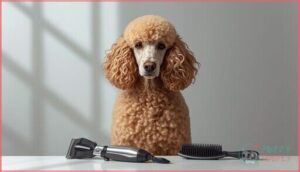
The Standard Poodle stands among low shedding breeds with a curly, dense coat that traps loose hair rather than releasing it into your home. This hypoallergenic quality results from genetic coat variations that produce continuous hair growth instead of seasonal cycles.
You’ll need consistent grooming tips and poodle training to maintain coat health, as professional trimming every six to eight weeks prevents matting in this intelligent breed with a distinguished breed history.
Giant Schnauzer
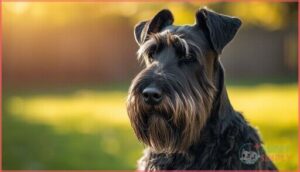
You’ll find the Giant Schnauzer’s wiry double coat sheds lightly through genetic selection favoring working temperament and low dander production, making this breed history standout suitable for families seeking hypoallergenic dogs.
Training tips emphasize early socialization, while coat care demands attention:
- Hand-strip or clip every six to eight weeks to maintain texture
- Brush twice weekly to prevent matting
- Bathe monthly to support skin health
Afghan Hound
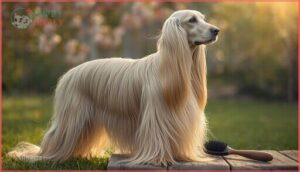
You’ll discover the Afghan Hound exhibits very low shedding through genetic inheritance of a dense undercoat paired with long, silky outer hair that traps loose follicles.
Afghan Hound grooming demands daily brushing to prevent tangles, while silky coat care requires professional trimming every six to eight weeks.
This hypoallergenic breed needs consistent large breed training and early dog socialization to thrive alongside proper canine nutrition tips supporting coat health.
Portuguese Water Dog

You’ll notice the Portuguese Water Dog shows reduced shedding through a tight, curly coat that traps loose hair, making it one of the most reliable hypoallergenic large breed options.
Portuguese grooming demands professional trimming every six to eight weeks, while curly coat care requires daily brushing to prevent matting.
Water dog training and early dog socialization support this energetic breed’s mental needs alongside proper large breed nutrition.
Airedale Terrier
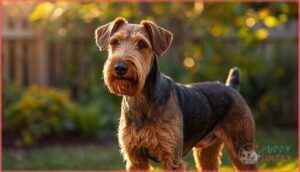
You’ll find the Airedale Terrier possesses a dense, wiry coat with relatively low shedding due to its single-layer texture that traps dead hair. Here’s what makes this hypoallergenic choice practical for big dogs:
- Airedale grooming requires hand-stripping every eight to twelve weeks to preserve coat quality
- Terrier training demands early socialization to manage prey drive and independent temperament
- Dog nutrition promotes skin health and reduces excessive dander production
- Breed history as working terriers influences exercise requirements and mental stimulation needs
Barbet
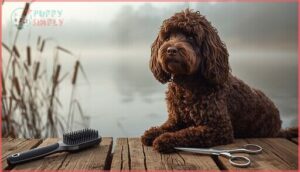
You’ll appreciate the Barbet’s long, curly coat that sheds minimally due to its dense, water-resistant texture, making this hypoallergenic large breed ideal for low-maintenance pets.
Here’s what Barbet grooming and training require:
- Daily brushing prevents matting in curly coat structures
- Dog nutrition promotes skin health and reduces dander production
- Barbet training benefits from early socialization for water-retrieving instincts
- Dog coat types demand professional trimming every eight to ten weeks
Briard
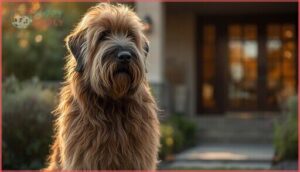
The Briard’s long, coarse coat sheds very little because its double-layered structure traps loose hair, making this breed suitable for families seeking hypoallergenic large dog breeds.
Coat care demands weekly brushing to prevent matting, though training tips emphasize early socialization to manage herding instincts.
Exercise needs include daily activity for mental stimulation, while family dynamics benefit from the Briard’s protective nature and low shedding characteristics.
Wirehaired Pointing Griffon
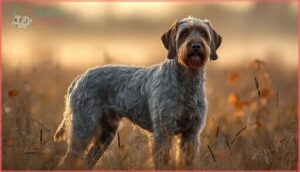
The Wirehaired Pointing Griffon‘s dense, wiry coat sheds minimally compared to other hunting breeds, making it one of the few hypoallergenic low-shedding dogs bred for fieldwork. Its breed history as a multipurpose retriever shaped its water-resistant double coat, which requires weekly brushing and occasional hand-stripping.
Training methods that channel hunting instincts help meet exercise needs, while family dynamics benefit from this breed’s gentle temperament and manageable grooming and care requirements.
Basenji
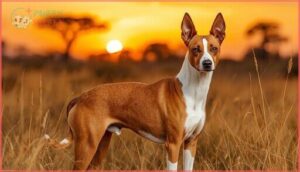
Unlike wire-haired sporting dogs, the Basenji’s short coat sheds very little and requires only occasional brushing, earning its place among hypoallergenic low shedding dogs.
Breed history as an African hunting companion shaped this medium-sized dog’s independent temperament, so Basenji training demands patience and consistency.
Exercise needs remain high for these family pets, and regular dog grooming and care keeps their coat healthy with minimal effort.
Grooming Needs of Low-Shedding Large Breeds

Low-shedding breeds don’t shed much, but that doesn’t mean they’re maintenance-free. Most require consistent grooming to prevent their coats from matting, tangling, or overgrowing into uncomfortable messes.
Let’s break down what you’ll need to keep your large low-shedding dog looking and feeling great.
Brushing and Coat Maintenance
Your brushing routine is the backbone of shedding control and coat health in large low-shedding dogs. Most breeds thrive with brushing two to three times weekly, preventing hair matting while distributing natural oils for a healthier shine.
Essential brushing practices for low shedding dogs:
- Use a slicker brush for tangles and a pin brush for general coat maintenance
- Brush in the direction of hair growth to minimize breakage
- Focus on high-friction areas like behind ears and under legs
- Spend 5–15 minutes on short coats, up to 30 minutes on dense or long coats
- Clean your tools after each session to prevent bacterial buildup
Regular coat brushing helps you catch skin issues early, from parasites to hot spots, while keeping your home cleaner. For poodle-type coats or wirehaired breeds, daily attention prevents mats that compromise coat health.
A balanced diet rich in omega-3 fatty acids promotes your dog’s skin condition, directly reducing shedding intensity. This proactive approach to dog grooming and care transforms maintenance from a chore into bonding time, keeping hypoallergenic dogs comfortable and your living space fur-free.
Professional Grooming Frequency
While home brushing keeps low shedding dogs looking sharp between visits, professional grooming every 6 to 8 weeks ensures coat health for breeds like Standard Poodles and Giant Schnauzers.
Your groomer selection matters—experienced professionals adjust frequency based on your dog’s coat type and seasonal shedding control needs.
Some breeds with complex coat maintenance or faster growth cycles require appointments every 4 to 6 weeks for peak nonshedding performance.
Tools and Techniques for Low Shedding Breeds
You’ll need the right arsenal for shedding control—weekly deshedding tools like undercoat rakes target dense fur during seasonal shifts, while slicker brushes handle daily coat maintenance between professional sessions.
Regular brushing techniques cut tumble shedding by 60 percent in low shedding dogs, and grooming gloves distribute natural oils across different dog coat types, keeping nonshedding breeds healthy with surprisingly low maintenance demands.
Health and Lifestyle Considerations
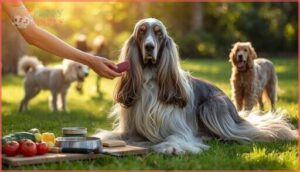
Low-shedding breeds bring less fur into your home, but they still need the right care to thrive. Your dog’s health, energy levels, and diet all play a role in maintaining that beautiful coat you chose them for.
Let’s look at the key health and lifestyle factors that keep these breeds happy and their coats in top condition.
Common Health Issues in Low-Shedding Breeds
Large dog breeds with low shedding aren’t immune to health challenges, and understanding these risks helps you protect your companion. Hip dysplasia affects 10–20% of many large breeds, while skin allergies trouble 15–30% in clinical settings. Deep-chested dogs face 6–9% lifetime bloat risk, and hypothyroidism can alter coat quality.
Here’s what you should watch for:
- Progressive eye problems requiring annual screening
- Gastric issues demanding immediate veterinary attention
- Allergic skin conditions affecting hypoallergenic dogs
- Orthopedic concerns impacting mobility and comfort
Exercise and Mental Stimulation Needs
You’ll need to commit 60–120 minutes of daily exercise for most large dog breeds with minimal shedding—anything less risks restlessness and unwanted behaviors.
Combine physical activity with cognitive challenges like puzzle feeders or obedience drills to keep big dogs mentally sharp.
Social interaction with other canines, varied training sessions, and structured play all support canine health and wellness while preventing boredom-driven destruction.
Diet and Nutrition for Healthy Coats
Your dog’s coat quality hinges on proper nutrient balance—think of food as the foundation for that sleek, healthy shine you’re aiming for.
- Omega fatty acids, especially omega-3s, support skin barrier function and improve coat condition when you provide them at recommended dietary levels
- High-quality animal-based proteins fuel keratin production, directly affecting coat health in low maintenance dogs
- Biotin, zinc, and vitamin E work together to improve coat quality, but consult your vet before adding coat supplements
- Healthy fats need careful balancing—the right ratio of linoleic and alpha-linolenic acids reduces dryness and boosts shine
- Balanced diets support canine health and wellness across all dog breeds and characteristics, preventing metabolic stress that dulls coats
Choosing The Best Breed for Your Family
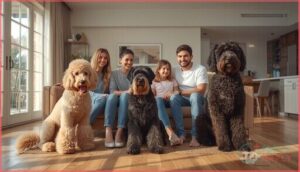
Finding the right low-shedding large dog breed means looking beyond coat type to factor in your daily routine, activity level, and living space.
Each breed carries distinct temperament traits, exercise requirements, and grooming demands that affect how well they’ll fit into your household.
Let’s examine how to match breed characteristics with your lifestyle and what to look for when meeting potential dogs.
Matching Breed Traits to Your Lifestyle
You’re choosing a companion, not just a breed—so your Lifestyle Assessment starts with honest evaluation. Breed Compatibility depends on matching Energy Levels with your daily routine, usually 40–90 minutes of exercise.
Space Requirements matter less than commitment, though larger environments support active dogs better.
Family Dynamics, including children’s ages and multi-pet households, influence which Low Maintenance Pets fit your life seamlessly.
Meeting and Assessing Potential Breeds
Meeting hypoallergenic dogs firsthand transforms abstract Breed Research into tangible reality. Your Family Assessments should include structured Home Visits with breeders where you can observe Dog Interactions across ages, while Owner Interviews reveal real-world Large Breed Dog Care demands. Use this checklist:
- Document temperament consistency across multiple dogs
- Test handling procedures and stress responses
- Verify health clearances and genetic screening
- Assess grooming intensity for Nonshedding dogs
- Compare energy levels against your household rhythm
Frequently Asked Questions (FAQs)
Which large dog breed sheds the least?
Standard Poodles shed the least among large dog breeds, thanks to their tightly curled coat that traps loose hair.
Giant Schnauzers and Portuguese Water Dogs also rank as top low-shedding breeds with minimal hair fall.
What is the calmest non-shedding dog?
The Basenji ranks among the calmest non-shedding dogs, combining minimal coat maintenance with a naturally reserved temperament.
This breed’s genetic predisposition toward quiet behavior makes it ideal for allergy-friendly dogs seeking gentle companionship.
What are the potential health issues for large hypoallergenic dogs?
Think your hypoallergenic gentle giant escaped health problems along with the fur? Not quite. Hip dysplasia, eye problems, skin allergies, and genetic disorders still affect large dog breeds. Regular allergy testing and veterinary monitoring help catch canine health issues early.
How do I introduce a low-shedding big dog to my family?
You’ll want to start with a calm, neutral space where everyone can meet your new companion one at a time.
This gradual approach lets both dog and family adjust safely while establishing clear household roles and routines early.
Are low-shedding large dogs good with children?
Most low-shedding large breeds thrive with children when you prioritize early socialization and consistent parental guidance. Breed temperament varies—Portuguese Water Dogs show playful family dynamics, while Afghan Hounds prefer quieter households requiring careful child safety tips.
How much do low-shedding breeds typically cost?
Purchase costs for hypoallergenic dogs range from $1,000 to $3,000, while maintenance fees including grooming, food expenses, and veterinary bills add $1,500 to $3,000 annually to your ownership expenses for low-shedding dog breeds.
Do these breeds require special shampoos or products?
Do you really need specialty products for every coat? Most low-shedding breeds thrive with quality conditioning shampoos matched to their coat type, though hypoallergenic formulas help dogs with sensitive skin maintain peak coat health.
Conclusion
Your next dog might surprise you with what it doesn’t leave behind. Large dog breeds with low shedding carry genetic traits that make cohabitation easier, but they demand consistent grooming investment and structured care protocols.
Match coat type to your maintenance capacity, not just your aesthetic preference. The right breed won’t eliminate all loose hair, but it will shift your focus from constant cleanup to purposeful bonding—a trade-off worth making for families ready to commit.
- https://www.sciencedirect.com/science/article/abs/pii/S0161589014000832
- https://www.karger.com/Article/Abstract/232463
- https://profile.google.com/cp/Cg0vZy8xMXRqcnoydzMx
- https://www.sciencealert.com/smartest-dog-breeds-canine-psychologist-intelligence-pets
- https://academichelpexpress.blog/2024/08/please-use-the-bulleted-points-and-the-rubric-below-to-guide-your-work-your-pa/