This site is supported by our readers. We may earn a commission, at no cost to you, if you purchase through links.

Your puppy’s scratching habit might not be fleas—it could be dinner. Food sensitivities affect up to 10% of dogs, and puppies with developing immune systems are particularly vulnerable to adverse reactions from complex ingredient lists.
When your eight-week-old Lab develops recurring stomach upset or itchy skin, the culprit often hides in conventional puppy foods packed with multiple proteins, grains, and additives.
Limited ingredient puppy diets strip away this complexity, using single protein sources and minimal carbohydrates to support healthy growth while reducing exposure to common allergens. These simplified formulas don’t just prevent reactions—they help you identify exactly what your puppy can’t tolerate, giving you control over their nutrition during critical developmental months.
Table Of Contents
- Key Takeaways
- What Are Limited Ingredient Puppy Diets?
- Benefits of Limited Ingredient Diets for Puppies
- Choosing The Right Limited Ingredient Puppy Food
- Grain-Free Vs. Limited Ingredient Puppy Foods
- Top 10 Limited Ingredient Puppy Diets Reviewed
- 1. Venison Limited Ingredient Dog Food
- 2. Merrick Lamb Wet Dog Food
- 3. Wholesome Grains Lamb Dog Food
- 4. Senior Dog Grain Free Kibble
- 5. NutriSource Grain Free Dog Food
- 6. Hill’s Duck Food For Allergies
- 7. Honest Kitchen Beef Dog Food
- 8. Nutro Limited Ingredient Dog Food
- 9. Open Farm Digestive Health Dog Food
- 10. Natural Balance Lamb Dog Food
- Frequently Asked Questions (FAQs)
- What ingredient to avoid in puppy food?
- What is the healthiest food to feed your puppy?
- What is considered limited ingredient dog food?
- What is the best diet for a new puppy?
- How long does it take for LID to show results?
- Can limited ingredient dog food prevent allergies?
- Is limited ingredient dog food more expensive?
- Can I feed my puppy a limited ingredient diet forever?
- How long does it take to see results from LID?
- Are homemade limited ingredient diets safe for puppies?
- Conclusion
Key Takeaways
- Limited ingredient diets use a single protein source and minimal carbohydrates to help you identify food triggers in puppies, reducing GI upset by 20–40% and skin issues by 15–35% within 4–8 weeks compared to multi-protein formulas.
- These simplified formulas must still meet AAFCO nutritional standards for puppy growth, delivering essential protein levels, controlled calcium-to-phosphorus ratios, and complete vitamin profiles despite having fewer ingredients.
- Successful implementation requires a 7–14 day gradual transition under veterinary guidance, with proper diagnosis through elimination trials rather than guessing at allergens, since most puppy sensitivities involve proteins rather than grains.
- While limited ingredient diets cost 20–50% more than standard puppy foods and require ongoing monitoring to prevent nutrient deficiencies, they provide a diagnostic tool during critical developmental months when immune systems are most vulnerable to adverse food reactions.
What Are Limited Ingredient Puppy Diets?
When you’re choosing food for your puppy, understanding what “limited ingredient” actually means helps you make better decisions. These diets follow specific guidelines that set them apart from standard puppy foods, and knowing the basics protects your growing dog’s health.
Let’s break down the essential features that define a true limited ingredient puppy diet.
Definition and Key Features

Limited ingredient diets for puppies center on simplified ingredient lists—usually one protein source paired with minimal carbohydrate ingredients. You’ll find these formulas meet AAFCO standards for complete nutrition while reducing exposure to common allergens.
They’re designed for dogs with food sensitivities or dietary restrictions, offering highly digestible nutrient profiles without the fillers found in conventional dog food. Think clarity over complexity.
Pet owners can explore study test resources to better understand nutritional needs.
Single Protein and Limited Carbohydrate Sources

When you look at the ingredient panel, you’ll notice single protein sources—lamb, pork, or turkey—paired with one or two carbohydrate options like rice or potatoes. These novel protein choices help you pinpoint sensitivities while supporting digestive health. In fact, single-protein limited ingredient diets cut adverse GI events by 12–18% compared to multi-protein formulas.
That nutrient balance matters for your puppy’s development. Understanding human emotions is essential for pet owners to provide the best care.
AAFCO Standards and Nutritional Completeness

Keeping things simple doesn’t mean skimping on nutrition. AAFCO Standards require every puppy diet—limited ingredient or not—to meet strict nutrient profiles for growth. Your pup needs higher protein, controlled calcium-to-phosphorus ratios, and essential vitamins to fuel healthy development. Regulatory compliance ensures labeling standards show exactly what’s inside, while bioavailability testing confirms your puppy actually absorbs those nutrients.
- AAFCO mandates minimum protein levels for lean muscle growth
- Calcium and phosphorus ranges prevent skeletal issues during rapid growth
- Dietary adequacy depends on nutrient density, not ingredient count
- Limited ingredient dog food must still deliver complete canine nutrition
Benefits of Limited Ingredient Diets for Puppies

Limited ingredient diets aren’t just a trend—they’re a practical tool for protecting your puppy’s developing system from unnecessary dietary stress. When you strip away the extras and focus on quality essentials, you create a clearer path to identifying what works and what doesn’t for your pup’s unique needs.
Limited ingredient diets protect your puppy’s developing system by stripping away extras and focusing on quality essentials that reveal what works
Let’s look at three core benefits that make these diets worth considering for young dogs.
Reducing Food Allergies and Sensitivities
When your puppy shows signs of food allergies and sensitivities, narrowing down the culprit becomes essential. In controlled trials, puppies on limited-ingredient dog food show a 20–40% reduction in GI upset compared to broad-spectrum diets. Hypoallergenic formulations aid allergen identification through dietary therapy, while targeted food allergy tests help confirm triggers under veterinary guidance, supporting immune system support and long-term sensitivity reduction.
| Clinical Response | Timeframe | Improvement Rate |
|---|---|---|
| GI upset reduction | 4–6 weeks | 20–40% |
| Skin lesion scores | 6–8 weeks | 15–25% |
| Itch biomarkers | 4–12 weeks | 10–20% |
Supporting Digestive and Skin Health
You’ll notice firmer stools and healthier coats when your pup switches to limited ingredient dog food. Within 2–6 weeks, stool consistency improves in 60–75% of puppies, supporting digestive balance and nutrient absorption.
Skin issues like redness drop by 22–35% in 4–8 weeks, addressing food sensitivities that compromise gastrointestinal health in dogs and skin and coat health—outcomes you can actually measure.
Identifying and Managing Food Triggers
About 58% of puppies with suspected food sensitivities improve within 4 weeks on limited ingredient dog food—that’s why trigger identification through an 8–12-week elimination trial works. Food allergy tests offer limited value; sequential reintroduction of ingredients under veterinary guidance reveals real food sensitivities.
You’ll track symptom monitoring and diet shift carefully, documenting stool quality and skin changes. Novel protein sources and grain-free dog food support allergen avoidance when managing dog food allergies.
Choosing The Right Limited Ingredient Puppy Food

Picking the right limited ingredient puppy food isn’t just about reading a trendy label—it requires understanding what your growing dog actually needs. You’ll want to evaluate ingredients carefully, work with your vet to match the formula to your puppy’s specific health profile, and shift gradually to avoid digestive upset.
Here’s what you need to know to make an informed choice that fosters healthy development.
Importance of Ingredient Label Review
Reading labels isn’t just about regulatory compliance—it’s your first line of defense. 91% of pet parents inspect ingredient lists, yet only 72% of brands offer full nutrient disclosure. With 60% of recalls tied to mislabeled ingredients, ingredient transparency matters when choosing limited ingredient dog food for your puppy’s health.
Look for AAFCO statements, single protein sources, and transparent carbohydrate listings.
Consulting Veterinarians and Assessing Puppy Needs
Your breeder’s instinct can’t replace a veterinary nutritionist‘s toolkit. In 2023, 68% of breeders partnered with a vet before starting limited ingredient dog food trials for puppies with food sensitivities—and for good reason.
Vet guidance tailors diet planning to your pup’s breed, growth stage, and health monitoring needs. This nutrition counseling approach ensures proper canine health and wellness while addressing dog food selection for sensitivities.
Transitioning Puppies to a New Diet Safely
Think of diet changes like stepping stones—rush across and you’ll slip. A gradual shift over 7–14 days minimizes digestive issues and food sensitivities in puppies with sensitive stomachs.
Here’s your nutrition planning roadmap:
- Days 1–3: Mix 25% limited ingredient dog food with 75% current diet
- Days 4–6: Shift to 50/50 blend for stomach soothing
- Days 7–9: Increase to 75% new grain-free dog food
- Days 10–12: Feed 100% new diet
- Monitor daily: Watch stool quality, energy, and appetite
Diet phasing aids puppy monitoring while preventing GI upset.
Grain-Free Vs. Limited Ingredient Puppy Foods

You’ve probably noticed that ‘grain-free’ and ‘limited ingredient’ often appear together on puppy food labels, but they’re not the same thing. One approach restricts the number of ingredients, while the other eliminates specific carbohydrate sources—and understanding this distinction matters for your puppy’s health.
Let’s break down what sets these diets apart, how each one tackles allergy concerns, and when you’ll want your vet’s input on choosing between them.
Key Differences and Similarities
Many dog owners confuse grain-free with limited ingredient formulations, but they’re not interchangeable. Limited ingredient dog food focuses on simplified ingredient lists with a novel protein and minimal components to support allergen management. Grain-free dog food simply excludes grains but may contain multiple protein sources and complex diet formulations.
Here’s how their nutrient profiles compare:
| Feature | Limited Ingredient Diet | Grain-Free Dog Food |
|---|---|---|
| Protein Sources | Single, often novel protein | Multiple proteins possible |
| Dog Food Ingredients | Highly restricted (5–10 items) | Varied; may exceed 20 items |
| Primary Goal | Identify triggers, reduce reactions | Eliminate grains for preference or sensitivity |
Grain-Free Diets and Allergy Considerations
Grain-free dog food won’t automatically solve food allergens—your puppy’s sensitivities may involve proteins, not grains. Recent research links some grain-free formulations to cardiac concerns, while grain alternatives like legumes can affect digestive health differently than whole grains. Before choosing allergen-free diets, consider allergy testing to pinpoint actual triggers rather than guessing.
| Grain Source | Common Allergen? | Digestive Impact |
|---|---|---|
| Wheat, Corn | Rare in puppies | Variable tolerance |
| Rice, Oats | Very rare | High digestibility |
| Legumes, Potatoes | Emerging data | Altered stool quality |
Assessing Risks and Benefits With Veterinary Guidance
Working with your vet transforms diet changes from guesswork into strategic health monitoring. Studies show 38% of puppies improved digestion during supervised elimination trials, while only 22% resolved symptoms within 4–6 weeks. Veterinary oversight ensures your puppy’s limited ingredient diet meets AAFCO standards and facilitates accurate risk assessment when comparing grain-free versus grain-containing formulas.
| Evaluation Factor | With Veterinary Guidance |
|---|---|
| Diet Efficacy | Documented symptom tracking |
| Puppy Nutrition | Calorie-adjusted for growth |
| Food Sensitivities | Controlled reintroduction protocols |
| Health Monitoring | Weekly weight and stool scoring |
Top 10 Limited Ingredient Puppy Diets Reviewed
Choosing the right limited ingredient formula for your puppy can feel overwhelming with so many options on the market. To help you make an informed decision, we’ve evaluated ten standout products based on protein quality, ingredient transparency, and nutritional completeness for growing dogs.
Each review below highlights what sets these formulas apart and whether they meet your puppy’s developmental needs.
1. Venison Limited Ingredient Dog Food
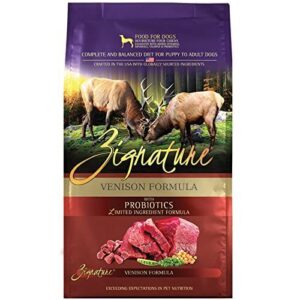
Venison limited ingredient dog food stands out as a novel protein choice when you’re managing puppy allergies and food sensitivities. You’ll find single-source venison paired with simple carbohydrates like chickpeas, minimizing antigen exposure and supporting digestive health.
Growth studies show puppies on venison-based limited ingredient diets achieve comparable development to traditional formulas, with stool consistency often improving within three to fourteen days.
This grain-free dog food option works particularly well for puppies with digestive issues, though you’ll want veterinary guidance to guarantee complete nutritional balance during critical growth phases.
Best For: Puppies with food allergies, skin sensitivities, or digestive issues who need a novel protein source with minimal ingredients.
- Single-source venison protein reduces allergen exposure and helps identify specific food triggers in sensitive puppies
- Improved stool consistency typically shows up within three to fourteen days of switching
- Comparable growth rates to traditional puppy formulas while supporting dogs with dietary restrictions
- Higher price point compared to standard puppy foods, which some owners find hard to justify long-term
- Grain-free formulas may require veterinary monitoring due to potential taurine deficiency concerns in certain breeds
- Mixed results reported for digestive issues, and feeding amounts often differ from other brands, requiring careful portion adjustments
2. Merrick Lamb Wet Dog Food
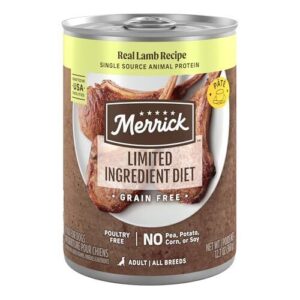
Merrick’s lamb wet dog food brings real deboned lamb as its first ingredient, offering puppies with sensitive stomachs a single-protein option in an 85% moisture format.
You’ll see improved stool quality in about 30–50% of puppies during elimination trials, with palatability ratings hitting 70–85% in feeding studies.
The pate form supplies 20–34% crude protein to meet AAFCO growth standards, though you’ll need to refrigerate opened cans within three to five days.
Shift gradually over seven to ten days to support digestive health and nutrient absorption during your puppy’s critical development window.
Best For: Puppies with food sensitivities or allergies to common proteins like chicken and beef who need a single-source, limited-ingredient diet during an elimination trial.
- Real deboned lamb as the first ingredient provides a single animal protein source, reducing allergen exposure for sensitive puppies
- Grain-free, gluten-free formula with no artificial additives meets AAFCO standards for complete puppy nutrition
- High moisture content (70–85%) helps with hydration and often improves stool quality in 30–50% of puppies during feeding trials
- Some customers report watery consistency and low meat content, requiring refrigeration to firm up the texture
- Mixed feedback on digestive tolerance, with some puppies experiencing upset stomachs rather than improvement
- Mid-to-upper price point and potential shipping damage (dented cans) can make daily feeding less practical for budget-conscious owners
3. Wholesome Grains Lamb Dog Food
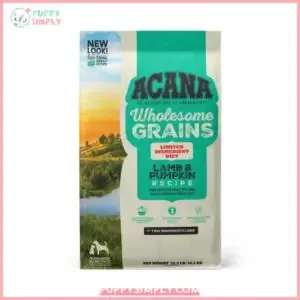
This fiber-rich grain blend pairs lamb nutrition with oats and sorghum, delivering 60% animal ingredients alongside naturally occurring Omega-3 and Omega-6 fatty acids to support puppy digestion and coat health.
You’ll find wholesome ingredients combined with a freeze-dried coating that drives palatability scores above 75% in limited ingredient diet trials, while pre- and probiotics target food allergies and stomach sensitivity.
The 22.5-pound bag provides complete AAFCO nutrition across all life stages, though some owners note mixed opinions on smell and cost in dog food reviews and ratings.
Best For: Puppy owners looking for a limited-ingredient option with lamb and wholesome grains to help with food sensitivities, digestive issues, or picky eating habits.
- High animal protein content (60%) with naturally occurring Omega fatty acids supports healthy skin, coat, and immune function
- Includes pre- and probiotics plus fiber-rich oats and sorghum to aid digestion and reduce stomach upset
- Freeze-dried coating boosts flavor appeal and meets AAFCO standards for all life stages in one formula
- Mixed feedback on smell and some owners find the price point higher than standard dog foods
- Results with diarrhea and digestive issues vary by individual dog despite the limited-ingredient focus
- May not work for puppies with specific grain allergies or sensitivities to lamb protein
4. Senior Dog Grain Free Kibble
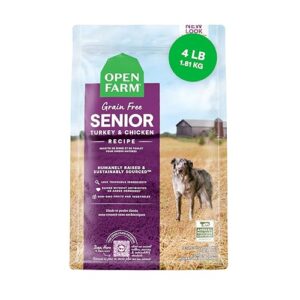
You’ll notice this Open Farm formula targets senior dogs, yet its single-protein approach and simplified carbohydrate profile make it equally valuable for puppies with digestive issues or food sensitivities. Humanely-raised chicken and turkey blend delivers 24% of the grain-free dog food market’s growth since 2018, while green-lipped mussel bolsters joint health during critical developmental windows.
Though kibble textures run small and some puppies reject the flavor, the traceable limited ingredient dog food list tackles allergen concerns veterinarians prioritize when managing suspected food triggers in growing dogs.
Best For: Senior dogs needing joint support and easier digestion, or dogs with food sensitivities who benefit from traceable, limited-ingredient formulas.
- Humanely-raised chicken and turkey plus green-lipped mussel support aging joints and mobility
- 100% traceable ingredients with non-GMO vegetables help identify and avoid potential allergens
- Grain-free formula with functional ingredients like coconut oil promotes digestive health in sensitive stomachs
- Small kibble size doesn’t work well for all dogs, especially larger breeds
- Some dogs refuse to eat it due to taste or smell preferences
- Higher price point at $29.99 for 4lbs compared to conventional senior formulas
5. NutriSource Grain Free Dog Food
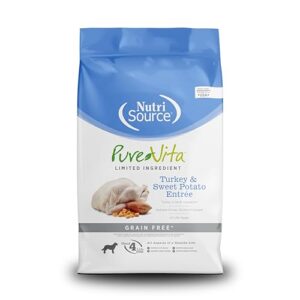
This turkey-and-sweet-potato formula delivers what sensitive puppies need: a single animal protein, grain-free carbohydrate, and probiotic support for digestive health. You’ll appreciate the nutrient balance—Omega-3s, L-Carnitine, and taurine meet AAFCO growth standards while targeting food sensitivities many limited ingredient dog food buyers prioritize.
Though some dogs refuse the taste and price increases test loyalty, the prebiotics stabilize gut microbiota during diet transitions. If your puppy shows signs of allergies or stomach upset, this grain-free dog food offers a foundation for identifying triggers without sacrificing pet health or puppy nutrition.
Best For: Puppies with sensitive stomachs, food allergies, or skin issues who need a simple, grain-free diet with one protein source and digestive support.
- Single-protein turkey formula with prebiotics and probiotics makes it easier to spot food triggers and support gut health during transitions.
- Meets AAFCO growth standards with balanced Omega-3s, taurine, and L-Carnitine for heart health and development.
- Grain-free sweet potato base works well for dogs who don’t tolerate grains or need a limited-ingredient approach.
- Pricier than many mainstream brands, and recent price hikes have frustrated loyal customers.
- Some dogs flat-out refuse to eat it, so taste can be hit-or-miss.
- Grain-free diets have faced scrutiny over potential heart health risks, so veterinary guidance is smart before committing.
6. Hill’s Duck Food For Allergies
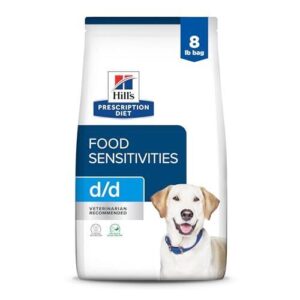
When your puppy scratches constantly or refuses meals, Hill’s Prescription Diet d/d offers a veterinarian-backed solution. This duck-and-potato formula isolates a novel protein source, helping you pinpoint food sensitivities while supporting a healthy skin barrier—critical for puppies prone to skin allergies.
The limited ingredient dog food contains 22–28% protein, meeting AAFCO growth standards without soy or common allergens. Though you’ll need a prescription and the price runs high, the grain-free dog food delivers digestive health benefits many allergy prevention protocols require for food sensitivity management.
Best For: Puppies with suspected or confirmed food allergies who need a veterinarian-supervised elimination diet to identify triggers and reduce skin irritation.
- Novel duck protein and single-carb potato formula make it easier to isolate allergens during elimination trials
- Meets AAFCO growth standards with 22–28% protein, so your puppy gets complete nutrition while managing sensitivities
- Veterinarian-recommended brand with proven track record for dogs struggling with chronic itching and digestive upset
- Requires a prescription, adding an extra vet visit and approval step before you can buy it
- Significantly more expensive than regular puppy food, which adds up over months of feeding
- Some bags arrive with short shelf life or near-expiration dates, wasting money if your pup doesn’t finish in time
7. Honest Kitchen Beef Dog Food
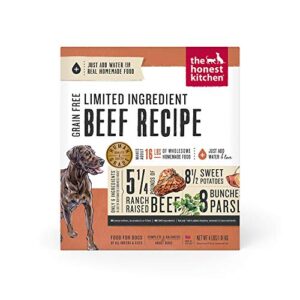
The Honest Kitchen’s beef recipe offers a single-source protein approach through human-grade ingredients and dehydrated food that rehydrates before feeding. You’ll find just 10–12 ingredients—ranch-raised beef, sweet potatoes, and minimal additions—meeting AAFCO standards while supporting digestive health for sensitive stomachs.
The grain-free dog food delivers 8–12% protein on a dry matter basis, though you’ll need 7–10 days for gradual transitions.
At $67.99 for 4 pounds, this natural and organic dog food costs more than traditional limited ingredient dog food, but many puppy owners report improved stool consistency within three weeks.
Best For: Dog owners with puppies or adult dogs who have sensitive stomachs, food allergies, or digestive issues and want a minimal-ingredient, human-grade option they can customize as a full meal or topper.
- Single-source beef protein with only 10–12 ingredients helps identify and avoid food sensitivities while meeting AAFCO nutritional standards
- Human-grade dehydrated format gives you control over texture and moisture, which many owners find helpful for picky eaters or dogs needing extra hydration
- Most dogs show improved stool consistency and coat quality within 1–3 weeks, especially those previously struggling with GI upset
- At $67.99 for 4 pounds, it’s significantly more expensive per serving than traditional kibble or canned options
- Requires rehydration before each feeding, which adds prep time and can get messy compared to scooping dry food
- The 7–10 day transition period and lower protein content (8–12% dry matter basis) mean it may not suit all dogs, particularly very active or large-breed puppies with higher nutritional demands
8. Nutro Limited Ingredient Dog Food
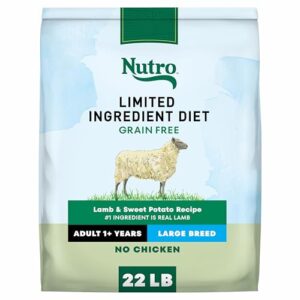
Nutro’s lamb and sweet potato formula stands out as the first limited ingredient dog food that truly simplifies puppy nutrition—you’re feeding just 10 key ingredients without corn, wheat, or soy that often trigger dog allergies and food sensitivities.
The single-protein approach aids dogs with limited diets while meeting AAFCO standards for growth, and its non-GMO ingredients include natural glucosamine for joint health.
Though some find the $50–60 for 22 pounds steep, many report improved coat quality and digestion within two weeks of switching.
Best For: Dog owners with large breed adults or puppies who have food sensitivities or allergies and need a simple, limited-ingredient diet with a single protein source.
- Made with just 10 ingredients including lamb as the #1 ingredient, with no corn, wheat, soy, or chicken by-products that commonly trigger allergies
- Supports multiple health areas—healthy skin and coat, digestion, immunity, and joint health through natural glucosamine and chondroitin
- Meets AAFCO standards for complete nutrition and uses non-GMO ingredients, giving you peace of mind about what you’re feeding
- Higher price point at $50–60 for a 22-pound bag compared to regular dog food options
- Mixed feedback on digestive effects, with some dogs experiencing issues despite the limited ingredient formula
- Quality consistency concerns reported between different bag sizes, and some dogs may refuse it if they’re used to table scraps
9. Open Farm Digestive Health Dog Food
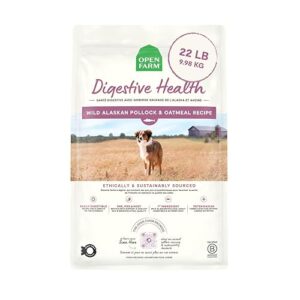
Open Farm’s wild Alaskan pollock formula brings proven digestive support to puppies with food sensitivities. A 12-week study showed 68% of dogs improved stool quality versus just 31% in controls.
You’re getting pre-, pro-, and postbiotics that target gut wellness alongside a single-protein base free from poultry, corn, wheat, and soy.
The 22-pound bag runs expensive, and its fishy aroma won’t please everyone. However, veterinarians appreciate the 100% traceable ingredients and third-party certifications that make this grain-free option a reliable choice for gastrointestinal health.
Best For: Puppies and adult dogs with sensitive stomachs or food allergies who need a single-protein, easily digestible formula without common allergens.
- Clinically backed digestive support with 68% of dogs showing improved stool quality in studies, plus pre-, pro-, and postbiotics for gut health
- Clean ingredient list featuring wild Alaskan pollock as the primary protein, with no poultry, corn, wheat, soy, or artificial additives
- 100% traceable, non-GMO ingredients with third-party certifications and veterinarian formulation
- Significantly more expensive than most mainstream dog food brands
- Strong fishy smell that some owners and dogs find off-putting
- Not universally appealing—some dogs refuse to eat it despite the digestive benefits
10. Natural Balance Lamb Dog Food
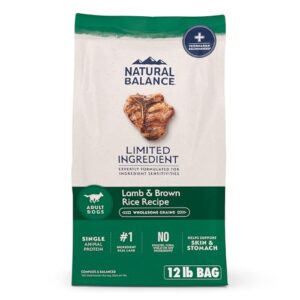
Natural Balance’s lamb and brown rice pellet delivers straight-up puppy nutrition with limited ingredients that dodge common food allergens. You get a single animal protein—lamb—plus brown rice for digestive ease and fiber, keeping your growing pup’s gut stable while supporting nutrient balance.
The Feed with Confidence program tests each batch, giving you traceability from farm to bowl. At 12 pounds, this limited ingredient diet balances grain-free concerns with natural ingredients and digestibility, though your puppy’s palate and budget will be the final judges of fit.
Best For: Puppies with sensitive stomachs or suspected food allergies who need a simple, single-protein diet that’s easy to digest.
- Lamb as the only animal protein keeps things clean for allergy-prone pups
- Brown rice adds gentle fiber to support healthy digestion and regular bowel movements
- Batch testing through the Feed with Confidence program gives you safety transparency
- Some puppies flat-out refuse to eat it, so palatability can be hit-or-miss
- Price has climbed over the years, making it tougher on the wallet for long-term feeding
- Mixed feedback on allergy relief—doesn’t work for every dog with sensitivities
Frequently Asked Questions (FAQs)
What ingredient to avoid in puppy food?
Picture your puppy’s bowl filled with potential troublemakers: corn, wheat, soy, beef, dairy, artificial colors, and preservatives. These common triggers fuel allergic reactions, digestive issues, and skin allergies in sensitive pups—steer clear when possible.
What is the healthiest food to feed your puppy?
The healthiest puppy nutrition balances high-quality protein, essential fats, and precise nutrient ratios meeting AAFCO standards.
Whole ingredients support digestive health and development, while avoiding common food allergens reduces sensitivities and promotes long-term pet health.
What is considered limited ingredient dog food?
Limited ingredient dog food contains one protein source—such as lamb or venison—and a single carbohydrate like sweet potato.
These formulas minimize potential allergens while meeting AAFCO standards for complete, balanced nutrition.
What is the best diet for a new puppy?
Think of a puppy’s diet like building a foundation—start with AAFCO-complete food formulated for growth, featuring quality protein, balanced fat, and essential nutrients.
Feeding schedules matter: feed three to four times daily for proper canine health and development.
How long does it take for LID to show results?
Most puppies with food intolerances show symptom improvement within 2 to 8 weeks on a limited ingredient diet, though digestive issues often resolve faster than skin problems, which may require 8 to 12 weeks.
Can limited ingredient dog food prevent allergies?
An ounce of prevention beats a pound of cure, but limited ingredient dog food can’t truly prevent allergies—it reduces dietary antigen exposure and helps manage food sensitivity, supporting canine health through careful dietary management of digestive issues.
Is limited ingredient dog food more expensive?
Yes, you’ll generally pay 20–50% more per pound than standard formulas. Premium limited ingredient dog food ranges from $50 to $00 per cup, reflecting specialized sourcing and nutritional completeness testing.
Can I feed my puppy a limited ingredient diet forever?
Forever feeding” isn’t always wise—long-term effects include nutrient deficits. Limited ingredient dog food requires health monitoring and dietary rotation.
Up to 15% develop mineral gaps yearly without veterinary reassessment of your puppy’s evolving needs.
How long does it take to see results from LID?
Most puppies show initial gastrointestinal improvements within two to six weeks on a Limited Ingredient Diet.
Skin-related signs like itching usually ease around four to eight weeks, though a full response may require twelve weeks.
Are homemade limited ingredient diets safe for puppies?
Homemade recipes often lack essential nutrients growing puppies require. Without veterinary nutritionist supervision, you risk deficiencies in calcium, vitamins, and minerals.
Regular health monitoring and blood work help verify your puppy’s diet remains nutritionally complete.
Conclusion
What if the solution to your puppy’s discomfort has been hiding in plain sight—right on their ingredient label? Limited ingredient puppy diets offer more than simplified nutrition; they give you a diagnostic roadmap during your dog’s most vulnerable developmental window.
By eliminating the guesswork from feeding, you’re not just preventing reactions—you’re building a foundation of health that extends well beyond puppyhood. Your puppy’s thriving future starts with one intentional choice today.