This site is supported by our readers. We may earn a commission, at no cost to you, if you purchase through links.

Your puppy’s nutritional foundation shapes everything from bone density to brain development, yet the grain-free trend has left many pet owners wondering whether removing wheat, corn, and rice truly benefits their growing dog. The marketing promises sound appealing—higher protein, fewer fillers, better digestion—but recent FDA investigations into potential cardiac risks have complicated what once seemed like a straightforward choice.
Understanding grain-free puppy nutrition options means weighing legitimate benefits against documented concerns and recognizing that your puppy’s individual needs matter more than trendy ingredients. The right choice depends on your puppy’s health profile, breed requirements, and developmental stage, not on blanket assumptions about grains being harmful or essential.
Table Of Contents
- Key Takeaways
- What is Grain-Free Puppy Nutrition?
- Benefits of Grain-Free Diets for Puppies
- Nutritional Considerations in Grain-Free Puppy Foods
- Potential Risks and Limitations of Grain-Free Diets
- How to Choose The Best Grain-Free Puppy Food
- Top 6 Grain-Free Puppy Nutrition Options
- Monitoring Puppy Health on a Grain-Free Diet
- Frequently Asked Questions (FAQs)
- Is a grain-free diet good for puppies?
- Why do vets not recommend grain free dog food?
- What nutrient is missing in grain free dog food?
- What to add to grain free dog food?
- When should puppies transition to adult grain-free food?
- Are grain-free diets safe for all dog breeds?
- What are the environmental impacts of grain-free production?
- Conclusion
Key Takeaways
- Grain-free puppy foods replace traditional grains with legumes and tubers while emphasizing 28-36% protein, but over 90% of FDA-reported dilated cardiomyopathy cases involved diets heavy in peas and lentils, raising concerns about taurine deficiency even when protein levels appear adequate on labels.
- True grain allergies affect fewer than 5% of dogs with food sensitivities—chicken, beef, and dairy trigger far more reactions than wheat or corn—so switching to grain-free without veterinary confirmation of intolerance exposes your puppy to cardiac risks without addressing the actual problem.
- Large-breed puppies need grain-free formulas with controlled calcium (around 1.2%) and gradual calorie delivery over 12-18 months to prevent developmental orthopedic disease, while small breeds require higher caloric density and smaller kibble to match their faster metabolism.
- Regular veterinary check-ups every 3-4 weeks during the first four months let you track growth patterns, nutrient balance, and early cardiac changes—essential monitoring since grain-free diets can mask deficiencies until serious damage occurs.
What is Grain-Free Puppy Nutrition?
Grain-free puppy nutrition replaces traditional grains like wheat, corn, and rice with alternative carbohydrate sources while emphasizing higher protein content from animal-based ingredients. This dietary approach has gained attention among pet owners seeking options for puppies with suspected grain sensitivities or those wanting diets that more closely mirror ancestral canine nutrition.
Understanding what defines grain-free formulations, how they differ from conventional puppy foods, and which ingredients replace grains helps you make informed decisions about your puppy’s nutritional foundation.
Key Features of Grain-Free Puppy Diets
Grain-free puppy foods emphasize high-quality protein sources—usually 28-36% crude protein—derived primarily from animal-based ingredients like chicken, salmon, and turkey. These formulas prioritize nutrient balance through carefully calibrated fat levels (14-22%) and essential supplements, including DHA for puppy development.
You’ll find digestive health support via added probiotics, while meal frequency recommendations align with your puppy’s age and energy requirements throughout critical growth stages.
Additionally, understanding grain free diets is essential for making informed decisions about your puppy’s nutrition.
Common Grain Substitutes in Puppy Food
When grain-free puppy foods eliminate traditional cereals, they turn to alternative carbohydrates to maintain balanced pet nutrition and wellness. Your puppy’s grain-free diet usually includes:
- Peas – appearing in 50% of grain-free puppy food options, offering pulse nutrition with resistant starch
- Potatoes and sweet potatoes – providing potato benefits through digestible starch
- Lentils and chickpeas – legume analysis shows 14-23% inclusion rates
- Cassava and tapioca – tapioca uses include binding during kibble manufacturing, with cassava effects showing moderate glycemic responses
It’s vital to weigh the grain free risks when selecting a puppy food.
Differences Between Grain-Free and Grain-Inclusive Diets
Understanding what separates these two approaches helps you make informed choices. Grain-free puppy foods generally deliver around 30% crude protein on a dry matter basis, while grain-inclusive formulas range from 22% to 28%.
The carbohydrate types differ too—cereal-based diets often exceed 40% of energy from starches, whereas grain-free options rely on legumes and tubers. Digestion rates and fiber content also vary between protein sources and nutrient profiles.
Benefits of Grain-Free Diets for Puppies

Grain-free diets offer several potential advantages for growing puppies, though these benefits don’t apply equally to every dog. The value of removing grains depends largely on your puppy’s individual health profile and nutritional needs.
Let’s examine four key areas where grain-free nutrition may support your puppy’s development.
High Protein Content for Growth
Your puppy’s rapid growth demands more than standard adult nutrition—that’s where high-quality protein comes in. Grain-free puppy foods often deliver 22–32% crude protein, meeting AAFCO growth standards while supporting muscle development and tissue building.
These nutrient-dense formulas typically provide excellent amino acid balance, ensuring your growing pup gets essential building blocks like lysine and methionine during critical growth stages when protein-to-carb ratio matters most.
Support for Food Sensitivities and Allergies
True food allergies in puppies remain uncommon—affecting under 5% of allergic dogs—but grain-free diets can help when sensitivities do occur. Here’s what you should know:
- Chicken, beef, and dairy trigger more reactions than grains
- Elimination diets lasting 8–12 weeks confirm true food allergies
- Novel protein sources like duck reduce allergen exposure
- Hydrolyzed formulas support sensitive puppies during trials
- Allergen avoidance strategies require veterinary guidance for success
Digestive and Immune Health Advantages
Fermentable fibers in well-formulated grain-free puppy foods can strengthen your pup’s gut health by promoting beneficial bacteria and supporting microbiome balance. Studies show puppies fed prebiotic-enriched diets produce more short-chain fatty acids and maintain firmer stools while potentially reducing inflammatory markers.
These probiotic benefits support both digestive function and immune system development—critical advantages during your puppy’s growth phases.
Suitability for Puppies With Grain Intolerances
Wheat and maize trigger reactions in roughly 13% of food-allergic dogs, but grain intolerance affects only about 1% of puppies overall.
When your pup has confirmed grain allergies, veterinary-guided grain-free diets can eliminate specific triggers while maintaining nutrient balance. These specialized grain-free puppy foods support digestive health and proper development without unnecessary grain exposure—but diagnosis through structured elimination trials should always come first.
Nutritional Considerations in Grain-Free Puppy Foods
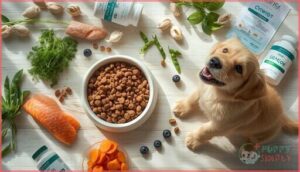
Getting the nutrition right matters more than just choosing grain-free. Your puppy’s food needs the right balance of protein, fats, and minerals to support healthy growth without creating deficiencies down the line.
Here’s what you should look for on the label to make sure your grain-free choice delivers complete nutrition.
Essential Protein, Fat, and Calcium Levels
Getting protein sources, fat ratios, and calcium needs right isn’t optional when you’re choosing grain-free puppy foods—it’s the foundation of healthy growth.
You’ll want to see at least 22.5% crude protein on a dry matter basis to meet AAFCO standards, with minimum fat around 8.5% for energy requirements.
For calcium, puppies need roughly 1.2% in complete diets—about three times what adult dogs require—to support bone development without risking skeletal problems.
Importance of Complete Amino Acid Profiles
Meeting crude protein targets doesn’t guarantee your puppy is getting everything needed—amino acid balance determines whether that protein actually fuels growth. Your puppy requires ten essential amino acids that can’t be manufactured internally, and grain-free puppy foods relying heavily on legumes often run short on lysine or methionine, limiting protein quality despite label claims.
Consider these bioavailability factors when evaluating nutritional needs:
- Animal proteins deliver complete profiles that plant sources can’t match alone
- Methionine deficiency impairs taurine synthesis, raising cardiac health concerns
- Digestive health depends on bioavailable sulfur amino acids like cystine
- Nutrient deficiency occurs when one limiting amino acid blocks protein synthesis
Without addressing these gaps, you’re risking stunted development even when feeding high-protein formulas. That’s why balanced canine health strategies require veterinary guidance on complete amino acid provision in grain-free puppy foods.
Role of Omega-3s and Antioxidants
Your puppy’s brain development hinges on fatty acid balance. Puppies fed DHA-enriched diets show 20–30% better performance on memory and problem-solving tasks compared to low-DHA counterparts.
Omega-3s support neuroprotection and joint health, while antioxidants combat oxidative stress that threatens rapidly growing tissues.
Grain-free puppy foods should pair marine-derived EPA and DHA with vitamins E and C to meet nutritional needs for peak canine health and cognitive function.
Avoiding Artificial Additives and Fillers
Beyond omega-3s and antioxidants, you’ll want to check labels for synthetic preservatives like BHA and ethoxyquin—both linked to health concerns in dogs. Natural preservatives such as mixed tocopherols offer safer shelf stability. Artificial colors like Red 40 provide zero nutritional value and may trigger sensitivities.
Clean labeling matters: grain-free puppy foods with whole ingredients and synthetic-free formulations support pet food safety while minimizing additive risks during critical growth phases.
Potential Risks and Limitations of Grain-Free Diets

Grain-free diets aren’t right for every puppy, and there are legitimate concerns you should understand before making the switch. While these formulas offer benefits for some dogs, they can create nutritional gaps or introduce ingredients that pose their own risks.
Let’s look at the main limitations and potential problems associated with grain-free puppy nutrition.
Nutrient Deficiencies and Imbalances
Imbalance can quietly undermine your puppy’s health even when a grain-free diet appears complete. Some formulations fall short of essential nutrients, creating risks you can’t afford to overlook.
- Mineral deficiency: Studies found selenium below standards in over 90% of alternative diets, while zinc and calcium often missed targets, jeopardizing bone development and immune function.
- Amino acid gaps: Legume-heavy recipes may reduce methionine and cysteine—building blocks for taurine—raising cardiac concerns.
- Bioavailability risks: High fiber from pulses can bind minerals like iron and zinc, limiting absorption despite adequate levels on paper.
Always verify nutritional balance with your veterinarian.
Concerns Around Legume-Based Ingredients
Legume risks extend beyond mineral gaps. High pea and lentil inclusion can trigger amino acid imbalance, specifically lowering methionine needed for taurine synthesis. Over 90% of FDA-reported canine DCM cases involved grain-free diets for puppies heavy in pulse ingredients. While legume-based diets offer protein, they may compromise taurine levels unless balanced with quality animal sources.
Legume-heavy grain-free puppy foods may compromise taurine synthesis, with over 90% of FDA-reported DCM cases linked to high pulse ingredients
| Legume Concern | Impact on Puppies |
|---|---|
| High pulse ingredients | Dilated cardiomyopathy risk |
| Low methionine content | Taurine deficiency potential |
| Altered bile acid metabolism | Reduced nutrient absorption |
Consider taurine supplementation if feeding legume-rich formulas.
Risks for Puppies Without Grain Sensitivities
For grain-tolerant puppies, switching to GrainFree Puppy Foods introduces unnecessary risk. When true food allergies and sensitivities affect only a small minority of dogs, you’re exposing your pup to cardiovascular risks and DCM concerns linked to over 1,300 reported cases. Healthy puppies face:
- Taurine deficiency from prolonged legume exposure
- Nutrient imbalance affecting growth standards
- Gastrointestinal issues from unfamiliar carbohydrate sources
Without medical indication, grain-inclusive diets meeting AAFCO standards remain safer for Puppy Nutrition and Health.
How to Choose The Best Grain-Free Puppy Food
Choosing the right grain-free puppy food isn’t something you should leave to guesswork. Your puppy’s unique needs, coupled with the quality of ingredients and your veterinarian’s guidance, will shape this decision more than marketing claims ever could.
Here’s what you need to evaluate before making your choice.
Consulting Your Veterinarian

Before switching your puppy to grain-free food, schedule a veterinary assessment. Around 50–70% of skin or digestive signs that prompt diet changes stem from underlying disease rather than food intolerance.
Your veterinarian will screen for breed-specific cardiac risks, evaluate your puppy’s age and health status, and may recommend consulting a board-certified veterinary nutritionist for customized puppy nutrition and ongoing pet monitoring.
Evaluating Ingredient Quality and Nutrition
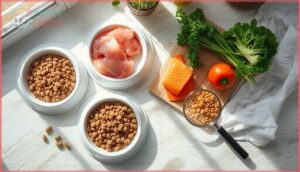
Start with the label’s AAFCO growth statement—you want whole, named protein sources like chicken or salmon leading the ingredient list. Check that calcium falls between 0.7% and 1.7%, phosphorus balances at a 1.2:1 ratio, and crude protein hits 22–32%.
Avoid vague terms, artificial food additives, and legume-heavy formulas that skimp on animal amino acid profiles your puppy needs for healthy development.
Selecting for Age, Breed Size, and Activity Level

Match the food to your puppy’s life stage—large-breed formulas keep calcium under 1.4:1 to protect growing bones, while small breeds need compact nutrition for their faster metabolism.
Active puppies burning energy on long runs require more calories than their low-key siblings.
Check feeding charts for your pup’s current weight, then adjust portions as growth slows around five months and again near twelve months.
Brand Reputation and Customer Reviews
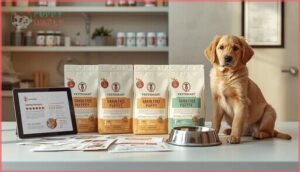
A brand’s track record speaks louder than marketing promises—review analysis across platforms like Dog Food Advisor reveals which grain-free options consistently deliver on nutrition and palatability. Customer sentiment tied to stool quality and coat health drives brand loyalty more than grain-free labels alone.
- Check for stable formulations and transparent reputation management
- Look for AAFCO growth statements in dog food reviews
- Compare market trends showing veterinary endorsements alongside pet nutrition and supplements feedback
Top 6 Grain-Free Puppy Nutrition Options
You’ve narrowed down your search to grain-free options, but the market offers dozens of formulas with varying quality and nutritional profiles.
The following six products represent different approaches to grain-free puppy nutrition, each designed for specific breed sizes and dietary needs.
These selections balance protein content, ingredient quality, and nutrient profiles that support healthy growth during your puppy’s critical developmental stages.
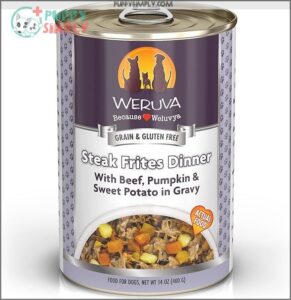
1. Weruva Steak Frites Dog Food Cans
Weruva Steak Frites offers grass-fed beef with pumpkin and sweet potato in a gravy-style canned food that’s grain-free and carrageenan-free. However, this wet food analysis reveals a critical limitation for puppy feeding: it’s formulated only for adult maintenance under AAFCO standards, not puppy growth.
While the beef nutrition and minimal carbohydrate approach align with grain-free diet principles, you shouldn’t use it as your puppy’s primary food. Consider it an occasional topper rather than a complete puppy nutrition solution.
Consult your veterinarian about grain-free puppy food options that meet AAFCO growth requirements.
Best For: Dog owners looking for a grain-free, beef-based wet food topper for adult dogs, but not suitable as a primary diet for puppies due to AAFCO adult-only formulation.
- Made with grass-fed beef as the sole animal protein, plus pumpkin and sweet potato for digestible carbs and fiber
- Grain-free, gluten-free, and carrageenan-free formula works well for dogs with sensitivities to grains or certain thickeners
- High moisture content (87%) and gravy texture help with hydration and palatability
- Formulated only for adult maintenance under AAFCO standards, not complete and balanced for puppy growth
- Low protein (6% as fed) and fat (2% as fed) levels may not support active or high-energy dogs as a primary diet
- Higher cost per calorie compared to dry food, and requires refrigeration after opening
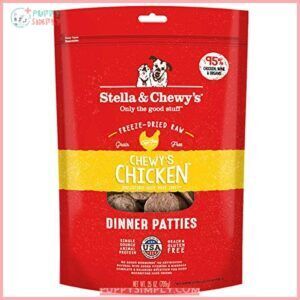
2. Stella Chewys Raw Chicken Patties
Stella & Chewy’s Raw Chicken Patties deliver raw feeding with freeze-dried chicken, organs, and ground bone—meeting AAFCO standards for all life stages, including puppy nutrition. This grain-free diet provides 15.5% protein (as-fed) and probiotics for digestive support.
However, raw diets carry pathogen risks like Salmonella, requiring strict handling hygiene. Puppies need roughly twice the adult portion, so monitor growth closely.
While the chicken patties offer complete nutrition for grain-free puppy food options, consult your veterinarian about whether raw feeding suits your household and your puppy’s health needs before shifting.
Best For: Pet owners seeking a raw, grain-free option for puppies with high nutritional standards, who are comfortable with strict food-handling protocols and willing to feed larger portions during growth stages.
- Meets AAFCO all-life-stage standards with high-quality chicken, organ meat, ground bone, and added probiotics for digestive health
- Freeze-dried raw format preserves nutrients without cooking, appealing to owners prioritizing minimally processed diets
- Grain-free formulation works well for puppies with grain sensitivities or owners avoiding cereal-based ingredients
- Raw meat products carry pathogen risks like Salmonella and Listeria, requiring careful handling and posing potential health concerns for households with young children or immunocompromised members
- Puppies need roughly double the adult feeding amounts, making this an expensive option with lower caloric density than kibble
- Grain-free diets remain under scrutiny due to past FDA investigations into possible links with canine heart disease, though no causal relationship has been confirmed
3. Grain Free Small Breed Chicken Recipe
Small breed puppies face unique metabolic demands, which is why formulas like the Grain Free Small Breed Chicken Recipe target their faster burn rate. With 26–30% protein on a dry matter basis—exceeding AAFCO’s 22.5% growth minimum—and 14–18% fat, this high-quality protein chicken recipe aids puppy development without cereal grains.
Sweet potatoes and peas serve as grain alternatives, while 1.5% calcium and a 2:1 omega-6 to omega-3 ratio promote bone health and coat condition.
For toy breeds, the smaller kibble diameter eases chewing during rapid growth phases.
Best For: Small breed puppies and toy dogs with high energy needs who benefit from grain-free nutrition with smaller kibble sizes tailored to their jaw structure.
- Protein-packed formula with 26–30% crude protein exceeds AAFCO standards and supports rapid growth in small breeds.
- Balanced calcium (1.5%) and favorable omega fatty acid ratio promote strong bone development and healthy skin and coat.
- Smaller kibble diameter and softer texture options make mealtime easier for toy and miniature breeds with smaller mouths.
- Higher price point compared to standard grain-inclusive small breed formulas may stretch budgets for multi-dog households.
- Shipping issues reported by some customers include crushed products and faulty zipper seals that compromise freshness.
- Legume-heavy carbohydrate sources like peas may not suit dogs with specific sensitivities or those requiring low-starch diets.
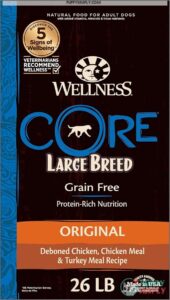
4. Grain Free Large Breed Dog Food
When you’re raising a future giant, Large Breed Nutrition calls for patience and precision. Puppy Growth Rates in breeds like Labradors or Goldens stretch over many months, making Breed Specific Diets and Grain Free Formulas especially relevant.
GrainFree Diets for Puppies in this category often balance calcium near 1.2% and keep calories in check, supporting steady Canine Development. You’ll see GrainFree Dog Food with sweet potatoes or lentils, plus added omega-3s and taurine—real GrainFree and Gluten Free Options customized for healthy joints and heart.
Best For: Owners of large-breed puppies (Labradors, Goldens, German Shepherds) who want a grain-free formula with controlled calcium and calories to support steady growth without overloading developing joints.
- Balanced calcium and phosphorus levels around 1.2% help prevent hip dysplasia and skeletal issues common in fast-growing large breeds
- Controlled calorie density supports gradual growth over 12–18 months, reducing the risk of developmental orthopedic disease by more than half compared to free-feeding
- Many formulas add taurine, omega-3s, and joint-supporting ingredients to address heart health concerns and promote healthy hips during the extended puppy period
- Over 90% of grain-free foods linked to FDA’s DCM investigation contained peas, lentils, or potatoes, raising questions about certain legume-heavy recipes
- Higher price point than grain-inclusive options, and some brands have had quality control issues with packaging
- Requires careful label reading and possible vet consultation, since not all grain-free large-breed formulas are created equal—ingredient profiles vary widely
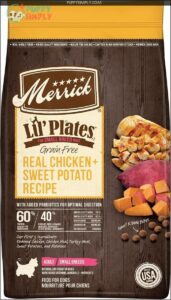
5. Merrick Lil Plates Puppy Food
When you’re shopping for Small Breed Nutrition, Merrick Lil’ Plates Puppy Food earns high marks in Puppy Food Reviews for its 42% protein on a dry-matter basis—deboned chicken leads the list, followed by chicken meal. Sweet potatoes and peas replace grain, delivering digestible carbs without corn or wheat.
You’ll find chelated minerals and taurine addressing contemporary GrainFree Diet concerns, plus probiotics for digestion.
Puppy Feeding Guidelines suggest portioned 3.5 oz bowls for tiny mouths, and the formula checks boxes for GrainFree Puppy Food Options balancing growth and flavor.
Best For: Owners of small breed puppies who want grain-free nutrition with high protein content and ingredients tailored to support rapid growth and high metabolism in tiny dogs.
- High protein formula (42% dry matter) led by deboned chicken and chicken meal provides excellent support for muscle development in growing small breed puppies.
- Includes chelated minerals for better absorption, taurine to address grain-free diet concerns, and probiotics for digestive health.
- Convenient 3.5 oz wet food portions match small appetites while the dry kibble size is designed specifically for little mouths.
- Brand has experienced multiple recalls over the years, including treats with Salmonella contamination and elevated thyroid hormone levels.
- Grain-free formulas containing legumes like peas have been examined in the FDA’s investigation into diet-associated heart disease in dogs.
- Higher price point typical of premium small breed formulas may not fit every budget, especially for multi-dog households.
6. Taste of the Wild Angus Beef Dog Food
If your pup leans toward beef, Taste of the Wild PREY Angus Beef Recipe switches up the protein base—pasture-raised Angus Beef drives 27% minimum crude protein, meeting AAFCO all-life-stage standards for Puppy Nutrition Needs.
Lentils replace grain in this Limited Ingredient Diets approach, while salmon oil and sunflower oil deliver the omega-3s and omega-6s you’d expect from modern Grain Free Formulas.
You’ll also spot probiotics at 80,000,000 CFU per pound supporting Digestive Health Support, plus taurine and L-carnitine—nutrients often added to GrainFree Puppy Food Options addressing cardiac concerns within the Grain Free Diet landscape.
Best For: Owners looking for a simple, beef-based grain-free formula that covers puppies through seniors with strong protein levels and digestive support.
- 27% protein from pasture-raised Angus beef hits AAFCO standards for all life stages, so you can feed the same bag from puppyhood to adulthood.
- Includes 80 million CFU of probiotics per pound plus salmon oil for gut health and skin-coat support without a long ingredient list.
- Limited-ingredient design with lentils instead of grains makes it easier to pinpoint triggers if your dog has food sensitivities.
- Grain-free formulas relying on legumes like lentils have raised questions about potential links to heart issues in some dogs, though taurine and L-carnitine are added here.
- At around 412 kcal per cup, it’s calorie-dense—portion control matters, especially for less active dogs or those prone to weight gain.
- Some pups may not take to the beef flavor or lentil base, and the limited ingredients mean fewer flavor options if your dog gets picky.
Monitoring Puppy Health on a Grain-Free Diet

You can’t just switch your puppy to a grain-free diet and call it a day. Close observation helps you catch early warning signs that something’s off, whether it’s a nutrient gap or a food that simply doesn’t agree with your pup’s system.
Here’s what to watch for as your puppy grows on a grain-free plan.
Signs of Nutritional Imbalance
Your puppy’s body speaks volumes about nutritional balance. Watch for pale gums and unusual fatigue—signs of anemia linked to nutrient deficits. Growth abnormalities like limping or stiff joints may signal mineral imbalances, especially in large breeds.
Poor coat quality, skin crusting, or recurrent infections point to immune dysfunction from inadequate zinc or protein.
Malnutrition effects aren’t always obvious, so monitoring body condition closely helps catch problems before they escalate.
Importance of Regular Veterinary Check-Ups
Schedule wellness exams every three to four weeks during your puppy’s first four months to align with vaccine schedules and growth monitoring. These visits allow your veterinarian to track nutrient balance, conduct parasite control screenings, and assess cardiac health—especially important given ongoing research into grain-free diets.
Consistent veterinary care establishes baseline health tracking, enabling early detection of dietary issues before they compromise canine health and wellness.
Adjusting Diet Based on Puppy Development
Growth momentum changes everything about your puppy’s dietary needs. Adjust feeding schedules from four meals daily at eight weeks to three by six months, matching energy requirements to developmental needs.
Large breeds need grain-free dog food formulated for extended puppy growth stages until 18-24 months, while small dogs shift to adult formulas around 10 months. Nutrient timing backs optimal puppy growth and development.
Frequently Asked Questions (FAQs)
Is a grain-free diet good for puppies?
The answer isn’t black and white. Grain-free diets can help pups with confirmed grain sensitivities, but they carry potential risks—including heart concerns—when used without veterinary guidance or a clear medical reason.
Why do vets not recommend grain free dog food?
Veterinary guidance increasingly cautions against grain-free diets due to unresolved DCM concerns, low prevalence of true dog food allergies to grains, and potential nutrient deficiencies.
This is especially true when legumes replace animal proteins without documented grain intolerances.
What nutrient is missing in grain free dog food?
Although many grain-free dog foods technically meet protein requirements, taurine deficiency remains the primary concern—particularly when legumes replace meat, reducing methionine levels and cysteine content that dogs need for proper taurine synthesis and amino acid balance.
What to add to grain free dog food?
You can add high-quality protein like lean chicken or fish, omega-3 supplements such as fish oil, cooked vegetables including green beans or carrots, and small portions of berries—keeping all toppers under 10% of daily calories.
When should puppies transition to adult grain-free food?
Your puppy reaches adult size before needing adult nutrition—yet switching too soon risks deficiencies.
Shift timing depends on breed size: small breeds at nine months, large breeds near eighteen months, aligning dietary adjustments with skeletal maturity and nutrient levels.
Are grain-free diets safe for all dog breeds?
No—grain-free diets for dogs aren’t universally safe. Dietary risks vary by breed variations, with legume-heavy formulas linked to dilated cardiomyopathy in susceptible breeds. Taurine levels and nutrient balance matter more than grains alone.
What are the environmental impacts of grain-free production?
Choosing meat-heavy grain-free dog food comes with a real environmental cost: higher greenhouse gas emissions, greater land use, increased water pollution, and eutrophication—all challenging sustainable feeding practices in today’s pet food industry.
Conclusion
The proof is in the pudding—or in this case, your puppy’s bowl. Exploring grain-free puppy nutrition options requires balancing marketing claims against veterinary science, recognizing that what works for one pup may not suit another.
Monitor your puppy’s energy, coat quality, and digestive health closely, maintain open communication with your veterinarian, and adjust as developmental needs evolve. Your puppy’s thriving body will ultimately reveal whether you’ve made the right choice.
- https://nutrisourcepetfoods.com/our-food/gf-large-breed-puppy-recipe/
- https://www.fda.gov/animal-veterinary/outbreaks-and-advisories/fda-investigation-potential-link-between-certain-diets-and-canine-dilated-cardiomyopathy
- https://www.carolinavaluepetcare.com/services/other/blog/dogs-fed-grain-free-diets-could-be-risk-heart-disease
- https://www.allthebestpetcare.com/pet-nutrition/legumes-dilated-cardiomyopathy-dcm-and-taurine-deficiency/
- https://dataintelo.com/report/grain-free-dog-food-market