
This site is supported by our readers. We may earn a commission, at no cost to you, if you purchase through links.
Every summer, emergency clinics fill up with dogs suffering from heatstroke—often within minutes of a walk or backyard play. The sun doesn’t need to scorch for trouble to brew; even a cloudy afternoon can push your pet past their limits if you’re not prepared.
Heat, humidity, and hidden hazards like hot pavement or stagnant water can turn a simple outing into a health crisis.
Keeping your dog safe in hot summer weather calls for more than shade and water; it means knowing the risks, spotting early warning signs, and having the right tools close at hand. Let’s make sure your dog stays cool, comfortable, and out of harm’s way.
Table Of Contents
- Key Takeaways
- Essential Dog Safety Tips for Hot Weather
- Preventing Heatstroke in Dogs
- Keeping Dogs Cool and Hydrated
- Protecting Paws and Outdoor Safety
- Top Products for Summer Dog Safety
- Frequently Asked Questions (FAQs)
- How do I know if my dogs sunscreen is effective?
- Are there specific dog breeds that can tolerate hot weather?
- Are there any dog-friendly cooling packs or vests available?
- How do I travel safely with my dog in summer?
- What summer foods are unsafe for dogs?
- Can dogs get sunburned, and how is it prevented?
- How do I keep outdoor dog houses cool?
- Are summer parasites like ticks more common?
- Conclusion
Key Takeaways
- Dogs are at high risk for heatstroke during summer, especially flat-faced breeds, seniors, and those with thick coats or medical conditions, so early prevention and close monitoring are crucial.
- Always provide unlimited fresh, cool water and shaded or air-conditioned resting areas, using cooling mats or pools to help your dog stay hydrated and comfortable.
- Walk your dog only in the early morning or late evening, avoid hot pavement, and never leave your pet unattended in parked vehicles, as temperatures can become deadly within minutes.
- Year-round parasite prevention and regular tick checks are essential, since fleas, ticks, and other biting insects peak in summer and can cause serious health problems.
Essential Dog Safety Tips for Hot Weather
Before summer temperatures climb, a few simple steps can make a big difference in keeping your dog safe and healthy. A pre-season vet visit, updated preventatives, and a cool shaded resting spot form the foundation of hot-weather care.
You’ll also want to know what to do if your dog encounters biting insects during outdoor play.
Scheduling a Pre-Summer Vet Checkup
Before summer heat sets in, book a vet visit to protect your dog. Your veterinarian will assess breed risks, screen for heat and dehydration vulnerabilities, and check respiratory health—especially important for flat-faced dogs. A pre-summer checkup lets you:
- Test for heartworm if not on year-round preventative medication
- Review parasite prevention suited to your summer plans
- Evaluate hydration needs and discuss emergency preparedness
- Confirm vaccinations and preventative medicine are current
Daily inspections are important for early detection of parasites.
Updating Vaccinations and Preventative Care
Once your dog’s health baseline is confirmed, update core vaccinations to guard against rabies, distemper, and parvovirus—diseases that spike in summer. Nearly 92% of distemper cases strike unvaccinated dogs, with a fatality rate near 70%.
Add heartworm prevention if you’re not already year-round, and choose flea and tick preventatives that cover all twelve months—most owners only manage six months of protection, leaving dogs vulnerable during peak parasite seasonality. Regular tick checks are essential after outdoor activities.
Preparing a Shaded, Cool Resting Area
Beyond vaccines, your dog needs a designated cool zone. Install a shade structure—pergolas or arbors demand 50% less upkeep than fabric sails—covering at least 30% of your yard. Tree canopies drop ground temps by 5°C, but take years to mature.
During heat spikes, keep flat-faced and older dogs in air-conditioned rooms with cooling mats; shaded rest spots reduce heatstroke risk by 30%.
Recognizing and Treating Insect Bites
Along with heat, summer brings fleas, ticks, and biting insects that carry tick-borne diseases. Watch for bite symptoms like swelling, hives, or facial puffiness—over 60% of dogs show redness at the site. Remove stingers immediately and monitor for allergic reactions.
Antihistamines resolve most cases within 48 hours, but vomiting or breathing trouble demands emergency care. Year-round flea and tick prevention plus insect repellent during walks greatly reduces your risk.
Preventing Heatstroke in Dogs

Heatstroke is one of the most serious warm-weather threats your dog can face, and it happens faster than most people expect. Certain dogs are at much higher risk, the warning signs can be subtle at first, and knowing how to limit exposure makes all the difference.
Heatstroke strikes dogs quickly and often without warning, making early prevention and awareness vital for their summer safety
Here’s what you need to watch for and how to keep your dog safe when temperatures climb.
High-Risk Breeds and Vulnerable Dogs
Brachycephalic breeds like Bulldogs, Pugs, and French Bulldogs face roughly double the heatstroke risk compared to dogs with normal muzzles because their shortened airways make panting less effective.
Elderly pets, overweight pets, and dogs with heart or lung diseases also struggle to regulate body temperature. If your dog has a thick coat, dark fur, or takes medications like diuretics, they’re more vulnerable during hot weather.
Signs and Symptoms of Heatstroke
When heat stroke sets in, you’ll notice heavy panting that doesn’t ease up, rapid heartbeat (tachycardia), and a body temperature climbing past 104°F. Neurological signs like stumbling, disorientation, or seizures signal serious trouble.
Watch for vomiting, diarrhea—sometimes bloody—and collapse. Severe cases have mortality rates around 50%, so recognizing these symptoms early can save your dog’s life.
Limiting Outdoor Activity and Exercise
When temperatures climb past 80°F, cut your dog’s exercise time in half and stick to early morning or evening walks. Hot pavement can burn paws in under 60 seconds, so test surfaces with your hand first. Breeds with flat faces need even shorter, gentler activity.
Bring water, watch for heavy panting, and choose shaded routes—cooling methods like sprinklers help afterward.
Keeping Dogs Indoors During Extreme Heat
When outdoor temps spike above 80°F—especially during official heat advisories—your dog’s safest bet is staying inside in air-conditioned rooms or areas with fans and shade. Indoor temperature targets should stay below 80–82°F to prevent heat stress. Rooms with tile or basement floors work best. Avoid small, stuffy spaces and always provide fresh water. Heat safety means managing the environment before your pup shows signs of trouble.
Keeping Dogs Cool and Hydrated
When the mercury climbs, your dog relies on you to help them beat the heat. Dogs can’t cool themselves as efficiently as we do, so you’ll need to be proactive about keeping them comfortable and well-hydrated.
Here are four practical ways to help your dog stay cool and safe all summer long.
Providing Unlimited Fresh, Cool Water

Your dog’s water bowl is more important than you might think—dogs can lose three to four times their normal fluid volume in hot weather through panting alone. Cool water helps encourage hydration and prevents dehydration, especially in vulnerable breeds.
Always provide unlimited fresh water in clean bowls, placed in shaded spots where your dog rests. For multi-dog households, set up several stations to prevent competition.
Using Fans, Air Conditioning, and Cooling Mats
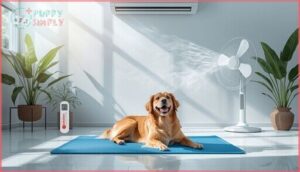
Air conditioning is your best defense during heatwaves—aim for indoor temperatures between 75–78°F to keep most dogs comfortable. Combine AC with fans positioned for cross-ventilation to boost evaporative cooling from panting, and add pressure-activated cooling mats on tile floors for extra relief. This layered approach works especially well for flat-faced breeds and thick-coated dogs:
- Monitor room temperatures regularly with a thermometer
- Schedule AC maintenance before summer arrives
- Position cooling mats away from direct sunlight
Safe Use of Kiddie Pools and Sprinklers
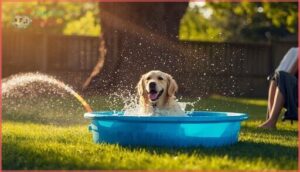
Cooling mats alone won’t always cut it—kiddie pools and sprinklers offer another level of relief. Always supervise your dog around water, even in shallow pools, to prevent panic or accidental drowning.
Place pools in shade, refresh water daily to maintain water quality, and limit sprinkler play to 10–15 minutes to avoid water intoxication. Flat-faced breeds especially benefit from gentle, monitored swimming and doggypaddle sessions with proper water safety guidelines in place.
Scheduling Walks for Early Morning or Evening

When temperatures soar, timing is everything for summer dog safety tips. Morning walks before 8 a.m. offer the coolest conditions—pavement stays below scorching thresholds, and your dog avoids peak heat. Evening benefits kick in after 7 p.m., when pavement temperatures drop.
Safe exercise practices for dogs mean sidestepping midday entirely, especially for flat-faced breeds. Hot pavement dangers for dogs are real—exercise triggers 74% of heatstroke cases, making dog heatstroke prevention your top priority.
Protecting Paws and Outdoor Safety
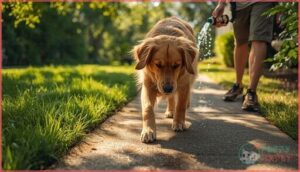
Summer surfaces and surroundings can turn dangerous fast, even when the air feels just warm. Your dog’s paws, body, and safety depend on smart choices about where and when you venture outside.
Here’s what to watch for and how to keep your dog protected during outdoor time.
Dangers of Hot Pavement and Asphalt
When the thermometer climbs, that seemingly harmless sidewalk becomes a hidden burn risk your dog can’t escape. Asphalt temperature risks escalate quickly—at just 77°F air temperature, pavement can hit 125°F, causing paw burn prevention to become critical.
Testing pavement safety protects vulnerable dog paws from heat-related injuries:
- Place your hand on the surface for 5–7 seconds
- If it’s too hot for you, it’s too hot for paws
- Dark asphalt absorbs heat, reaching 30–60°F hotter than air
- Burns can happen in under 60 seconds on hot pavement dangers for dogs
Cooling paw care starts with awareness—puppies, older dogs, and those with existing pad damage face higher risk from hot asphalt burns.
Safe Walking Practices in Summer
Beyond paw burn prevention, timing and pace make all the difference. Walk your dog before 8 a.m. or after sunset when pavement cools. During peak heat (10 a.m.–4 p.m.), skip walks entirely—hot asphalt dangers for dogs include rapid overheating.
Choose shaded, grassy routes, carry water for hydration during walks, and shorten distances. Brachycephalic breeds need extra caution; leash safety measures prevent sudden sprints on scorching surfaces.
Water Safety for Swimming and Boating
Roughly 5,000 dogs drown in pools annually—more than human drownings—because not all breeds can swim well, and many tire 40% faster than people. Swimming Ability and proper supervision matter immensely for water safety.
- Use a canine Life Jackets even for strong swimmers to prevent exhaustion and panic
- Watch for Pool Drowning Risks: vertical body, frantic paddling, gasping
- Avoid Water Quality hazards—chlorine, algae, saltwater—that cause illness
- Practice Boating Safety: provide shade, fresh water, secure flotation
- Apply beach safety for dogs: supervise near waves, rinse afterward, limit sun exposure
Never Leaving Dogs in Parked Vehicles
Even with windows cracked, a parked car’s interior jumps nearly 20°F in just 10 minutes—enough to trigger heatstroke in your dog. At least 111 pets died from vehicle heat risks in 2024 alone.
Thirty-one states now impose legal consequences for leaving animals in hot cars, and public awareness campaigns stress that “just a few minutes” can turn fatal.
Never leave your dog unattended in running cars or stationary vehicles.
Top Products for Summer Dog Safety
The right gear can make all the difference in keeping your dog safe and comfortable in summer heat. From portable shade solutions to cooling products and hydration tools, a few smart purchases help you create a safer environment wherever you and your dog spend time.
Here are six practical products that address the most common summer safety challenges.
1. Jasonwell Foldable Dog Bath Pool
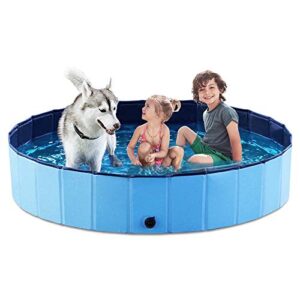
Ever wondered how a simple pool can turn hot weather into a safe haven for your dog? The Jasonwell Foldable Dog Bath Pool is built with non-toxic PVC, meeting Pool Material Safety standards for pets and kids. Its reinforced panels boost Structural Pool Durability, while slip-resistant surfaces help prevent accidents.
For Cooling Pool Benefits, place it in the shade and limit playtime—this aids hydration and lowers heatstroke risk.
Pool Safety Practices and regular Pool Maintenance, like nail trims and water changes, keep summer dog care simple and effective.
Best For: Dog owners looking for a no-fuss, portable cooling solution for hot days—especially those with small to medium pets who need a quick way to beat the heat without the hassle of inflatables.
- Non-toxic PVC construction meets safety standards, so it’s safe for pets and kids to splash around without worrying about harmful chemicals.
- Sets up in seconds with no pump needed, and the reinforced panels hold their shape better than flimsy inflatables that deflate or puncture easily.
- Slip-resistant bottom and multiple size options make it versatile for different breeds, plus the drain plug makes cleanup and water changes a breeze.
- You’ll need to trim your dog’s nails before use or risk punctures and tears, even with the included repair kit.
- Water heats up fast in direct sunlight, so you have to find a shady spot or deal with lukewarm water that won’t cool your dog down much.
- Folding and storing it properly takes some effort, and if you skip drying it completely, you’re looking at mold or material damage over time.
2. Coldest Insulated Stainless Steel Dog Bowl
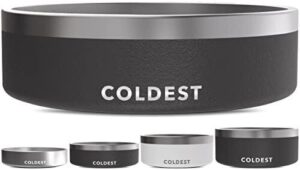
When summer hits, keeping fresh water cold is half the battle against dehydration. The Coldest Insulated Stainless Steel Dog Bowl stands out for its insulation performance—triple-wall design keeps water cool, even if your dog’s shady place isn’t air conditioned.
Material safety is excellent, and cleaning ease means less fuss for you. Size options range up to 42 oz, so hydration isn’t interrupted.
Stability features like a non-slip base help prevent spills, making it a smart choice for dogs that get a little enthusiastic.
Best For: Pet owners who want to keep their dog’s water colder for longer during hot summer days, especially for medium to large breeds.
- Triple-wall insulation keeps water cold far longer than regular bowls.
- Heavy, non-slip base prevents spills and sliding.
- Durable stainless steel is easy to clean and safe for pets.
- Some users report rust spots after a few months.
- Heavier bowl may be tough for small pets to move.
- Can be noisy when pets eat or drink from it.
3. Pacific Breeze Easy Setup Beach Tent
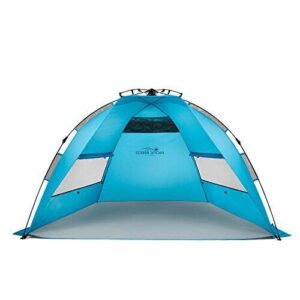
Looking for shade that actually protects your dog on a hot beach day? The Pacific Breeze Easy Setup Beach Tent delivers real UV protection with UPF 50+ fabric, blocking over 98% of harmful rays.
Its lightweight design means you won’t struggle with setup, and five sand pockets plus stakes offer wind stability, so your tent stays put. Mesh windows boost pet comfort, keeping air moving inside.
With top market recognition and a 4.6-star rating, it’s a practical choice for summer outings.
Best For: Pet owners and families who want quick, reliable sun protection for beach trips or outdoor lounging.
- Blocks 98% of UV rays, keeping dogs and people safe from sunburn
- Easy to set up and carry, even for one person
- Stays stable in wind thanks to sand pockets and stakes
- Can get warm inside without a breeze or extra ventilation
- No door or screen for added privacy or bug protection
- Limited space for bigger families or multiple adults with gear
4. Portable Pet Playpen Puppy Kennel
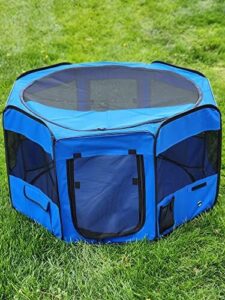
Did you know a playpen with mesh panels can make all the difference for pets in hot or humid outdoors? Good Playpen Ventilation keeps air moving, helping prevent overheating and heat stroke. Choose a model made from Material Safety–approved polyester, with a waterproof base and removable top for easy cleaning.
For Outdoor Deployment, lightweight designs fold up fast, letting you chase shade wherever you go. Always check Size Appropriateness—cramped spaces raise Heat Hazards. These summer safety tips keep your pets comfortable and secure.
Best For: Small and medium-sized dogs or cats who need a safe, portable space for play, travel, or short-term outdoor use.
- Easy to set up, fold, and carry for travel or outdoor trips.
- Mesh panels and removable top provide great airflow and visibility in warm weather.
- Made with non-toxic, waterproof materials for safe, simple cleaning.
- Zippers may wear out or tear after frequent use.
- Not strong enough for large or very active pets who might escape or damage the pen.
- Requires regular cleaning and inspection to maintain safety and durability.
5. Green Pet Shop Cooling Pet Pad
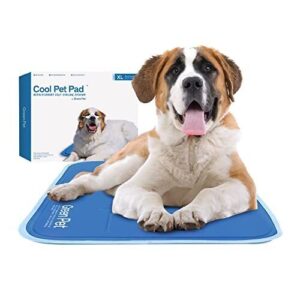
If your playpen setup could use a boost, cooling mats like the Green Pet Shop Cooling Pet Pad are worth considering. This self-cooling pad uses non-toxic gel materials and pressure activation, so your dog feels relief right away. Sizing recommendations range from small breeds to giant companions.
For health support and heatstroke prevention, follow usage guidelines—keep the pad in shade or indoors. While durability concerns exist for heavy chewers, most dogs enjoy safer, cooler rest, improving dog health in summer and overall summer dog safety.
Best For: Dogs and cats who overheat easily, senior pets, or those with medical conditions needing extra help staying cool indoors or in shaded areas.
- No electricity, water, or refrigeration needed—just lay it down and it works.
- Lightweight and portable, making it easy to use at home or on the go.
- Simple to clean with a damp cloth and fits most beds and crates.
- Not ideal for heavy chewers or pets prone to tearing bedding.
- May lose effectiveness in direct sunlight or extremely hot environments.
- Some owners feel it’s overpriced compared to other cooling options.
6. NTK MyPet Pop Up Playpen
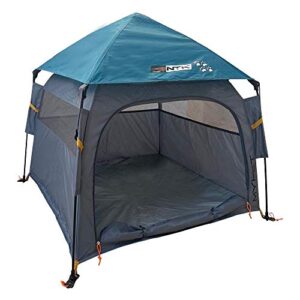
If you’re searching for a portable, shaded rest spot for your dog, the NTK MyPet Pop Up Playpen stands out. Its mesh sides boost playpen ventilation, and the removable UV cover offers solid sun protection—especially helpful for outdoor events.
Portability benefits are clear; it folds up easily and weighs under five pounds. While material durability varies with rambunctious pets, safe usage means keeping water inside and placing it in shade.
For summer pet safety, it’s a practical choice for supporting dog health.
Best For: Pet owners who want a lightweight, easy-to-carry playpen for calm dogs, cats, or rabbits during outdoor summer activities.
- Quick pop-up setup and folds down for easy transport.
- Mesh sides and roof keep pets cool with great ventilation.
- Removable UV cover adds shade and sun protection for outdoor use.
- Not sturdy enough for pets that dig, chew, or try to escape.
- Folding and closing can be tricky for some users.
- Rain cover doesn’t fully waterproof the roof.
Frequently Asked Questions (FAQs)
How do I know if my dogs sunscreen is effective?
You’ll know your dog’s sunscreen is effective when skin condition stays healthy—no redness, flaking, or sunburn.
Use dog-safe sunscreen ingredients, apply carefully to exposed areas, pair with UV gear, and seek professional advice for persistent issues.
Are there specific dog breeds that can tolerate hot weather?
Yes, certain dog breeds handle heat better than others. Heat-tolerant breeds like Basenjis, Dalmatians, and Chihuahuas have short coats, lean bodies, and arid origins—unlike brachycephalic dogs, whose flat faces make cooling adaptations less effective.
Are there any dog-friendly cooling packs or vests available?
You’ll find dog-friendly cooling packs and vests designed for hot weather, with options like evaporative, reflective, and phase-change types.
These help with heatstroke prevention, offer safe materials, and benefit breeds prone to overheating, especially brachycephalics.
How do I travel safely with my dog in summer?
Imagine your car as a greenhouse—vehicle temperature climbs fast.
Traveling with dogs in summer means using air conditioning, securing crash safety restraints, packing extra water for hydration strategies, planning air travel carefully, and stopping for frequent, shaded rest breaks.
What summer foods are unsafe for dogs?
Summer brings food and drink dangers for dogs, from toxic fruits like grapes and raisins to allium vegetables, sweetener dangers (xylitol), nut risks, barbecue threats, and alcoholic beverages—avoid these to prevent plant toxicity and food safety emergencies.
Can dogs get sunburned, and how is it prevented?
Dogs can get sunburned, especially those with light coats or thin fur.
Prevent it by applying pet-safe sunscreen, avoiding peak UV hours, providing shade, and using protective clothing on vulnerable areas.
How do I keep outdoor dog houses cool?
To keep outdoor dog houses cool, use shade placement with UV-blocking canopies and ventilation strategies like vents or fans.
Consider cooling systems such as air conditioning and choose cooler ground materials.
Always monitor temperature limits to prevent heatstroke.
Are summer parasites like ticks more common?
Tick prevalence peaks dramatically in summer, with infestations skyrocketing to 32% compared to just 7% in winter.
Regional hotspots, short-haired breeds, and outdoor activity increase Lyme disease risk, making flea and tick prevention with acaricide effectiveness essential.
Conclusion
Like a gardener who knows the sun’s hidden strength, you can shield your dog from summer’s silent dangers with the right dog safety tips for hot summer weather. Each choice—fresh water, shaded rest, cool walks—acts as a safeguard, not just a comfort.
Heatstroke doesn’t wait for a warning; your vigilance is your pet’s best defense. When you treat summer as a season for careful stewardship, you guarantee your dog enjoys every sunbeam safely by your side.
- https://onlinelibrary.wiley.com/doi/10.1111/avj.13296
- https://pmc.ncbi.nlm.nih.gov/articles/PMC7337213/
- https://www.rvc.ac.uk/vetcompass/news/flat-faced-dogs-such-as-bulldogs-french-bulldogs-and-pugs-at-increased-risk-of-heat-stroke
- https://www.akc.org/expert-advice/health/dog-paws-hot-pavement/
- https://www.getweave.com/pavement-temperature-chart-for-dogs/