
This site is supported by our readers. We may earn a commission, at no cost to you, if you purchase through links.
Your dog’s health depends on what’s inside that food bag, yet ingredient labels often read like a chemistry experiment gone wrong. The difference between a thriving dog and one struggling with dull coat, low energy, or digestive issues often traces back to a single factor: ingredient quality.
While pet food marketing shouts about exotic proteins and grain-free formulas, the fundamentals remain unchanged—dogs need recognizable animal proteins, whole food sources of vitamins and minerals, and balanced fats that fuel their bodies from the inside out.
Understanding which ingredients deliver genuine nutrition versus empty calories gives you the power to choose foods that support your dog’s longevity, not just fill their bowl.
Table Of Contents
- Key Takeaways
- Essential Nutrients in Dog Food Ingredients
- Benefits of Whole and Minimally Processed Ingredients
- The Importance of Whole Grains in Dog Food
- How to Evaluate Dog Food Ingredient Lists
- Top Nutritious Dog Food Products
- Proper Storage and Safety of Dog Food Ingredients
- Frequently Asked Questions (FAQs)
- What are the healthiest ingredients for dog food?
- What should top 3 ingredients be in dog food?
- What are the top 5 healthiest dog food?
- What is the healthiest thing to feed your dog?
- How much food should I feed my dog?
- What foods are toxic to dogs?
- Can I feed my dog raw meat?
- How do I know if my dog is getting enough nutrients?
- What are some low-calorie treat options?
- Can dogs eat a vegetarian or vegan diet?
- Conclusion
Key Takeaways
- Your dog’s health hinges on recognizable animal proteins as the first ingredient, whole-food sources of vitamins and minerals, and balanced omega-3 to omega-6 fats in roughly a 1:4 ratio to prevent inflammation while supporting skin and brain function.
- Whole grains like oats and brown rice deliver more than energy—they provide B vitamins, fiber for digestive regularity, and phytochemicals that kibble’s refined carbs simply can’t match, making grain-free formulas unnecessary for most dogs.
- Reading labels strategically means spotting the difference between quality (named meats, whole ingredients) and fillers (vague by-products, synthetic additives like BHA/BHT), with the nutritional adequacy statement confirming the food actually meets AAFCO standards through feeding trials.
- Proper storage below 80°F in airtight containers and daily bowl washing aren’t optional extras—they’re essential safeguards against bacterial contamination, nutrient degradation, and the spoilage that turns even premium ingredients into health risks.
Essential Nutrients in Dog Food Ingredients
Your dog’s body needs specific nutrients to thrive, and understanding what those are is the first step toward choosing the right food. Every ingredient your dog eats fulfills a purpose—whether it’s building muscle, providing energy, or keeping their immune system strong.
Let’s break down the essential nutrients that matter most and where to find them in quality dog food.
Protein Sources and Amino Acids

Protein forms the foundation of your dog’s diet, providing the essential amino acids their body can’t produce alone. Dogs need all ten essential amino acids—from arginine to valine—working together for muscle health and vitality.
Here’s what matters most:
- Meat sources like beef, poultry, and fish deliver complete amino acid profiles
- Novel proteins offer alternatives for dogs with sensitivities
- High digestibility means your dog absorbs more nutrients
- Quality protein aids lean muscle and overall wellness
Choose foods listing whole meat first on ingredients. Understanding technical difficulties is vital for peak nutrition.
Healthy Carbohydrates and Fiber
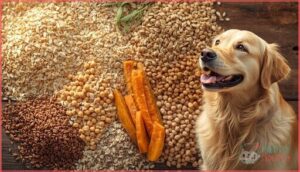
While protein builds muscle, carbohydrates and fiber are essential for keeping your dog’s digestive system running smoothly. Most commercial dog foods contain 30–74% carbohydrates, such as corn, rice, oats, and barley, which provide the energy needed for daily activities and support gut health. A balanced diet with complex carbohydrate sources is crucial for optimal canine nutrition.
| Carbohydrate Sources | Fiber Benefits | Gut Health Impact |
|---|---|---|
| Oats, brown rice | 3–7% supports regularity | Enhances nutrient absorption |
| Barley, sweet potatoes | Stabilizes blood glucose | Boosts digestive enzymes |
| Chickpeas, peas | Increases satiety | Feeds beneficial bacteria |
| Whole grains | Provides essential nutrients | Produces healthy fatty acids |
Fiber-rich whole grains and whole food ingredients not only regulate digestion naturally but also supply essential antioxidants that your dog needs.
Fats and Fatty Acids for Dogs

Just as fiber keeps digestion on track, fats power your dog’s body in ways that go beyond simple energy. Fat requirements start at 5.5% for adults, but most quality foods deliver 10–20%—and for good reason.
Omega-3 fatty acids from fish oil fight inflammation and support brain health, while omega-6 fatty acids from beef fat promote skin vitality. Canine fat metabolism converts these dietary fat sources efficiently, but fatty acid balance matters: aim for a 4:1 omega-6 to omega-3 ratio to optimize omega-3 benefits without triggering chronic inflammation.
Omega-3s fight inflammation while omega-6s boost skin health, but balance matters—aim for a 4:1 ratio to avoid chronic issues
Key Vitamins and Minerals

While omega-3 fatty acids strengthen your dog’s foundation, vitamins and minerals fine-tune every system. Vitamin A promotes vision at roughly 5,000 IU per 1,000 kcal, while vitamin D maintains bone health around 500 IU—but vitamin deficiency strikes when nutrient absorption falters.
Mineral balance matters equally: calcium-to-phosphorus ratios near 1.2:1 prevent skeletal disease, and zinc prevents skin lesions. These essential nutrients for dogs work together, making dietary supplements unnecessary when canine nutrition standards are met.
The Role of Water in Dog Diets

Beyond vitamins and minerals, water ranks as your dog’s most essential nutrient for fluid balance and digestive system health. Dogs fed fresh food meet 72% of their hydration needs through moisture content alone, while kibble-fed pets rely heavily on bowl water.
Insufficient water intake triggers dehydration risks—particularly during exercise—compromising nutrient absorption and organ function. Meeting daily water requirements ensures peak dog nutrition and protects against serious health complications.
Benefits of Whole and Minimally Processed Ingredients

When you choose dog food with whole and minimally processed ingredients, you’re giving your dog nutrients that stay closer to their natural state. These ingredients often preserve more of the vitamins, minerals, and essential compounds that can be lost during heavy processing.
Let’s look at three key advantages that make whole foods worth seeking out in your dog’s diet.
Nutrient Retention in Whole Foods
Think of nutrient retention like keeping the vitamins in your home-cooked meal—gentle handling preserves what your dog’s body needs most. Whole food benefits shine through when ingredients skip harsh processing:
- Bioavailability factors improve dramatically, with whole vs processed ingredients showing up to 87% thiamine retention in gently cooked options
- Essential nutrients maintain natural stability without synthetic fortification
- Raw ingredient effects support better amino acid absorption for healthier skin and coat
Fresh and Raw Ingredient Advantages
Switching to raw food benefits your dog’s digestive health more than you might expect. Fresh ingredients deliver nutrient absorption rates exceeding 90% for protein and fat—markedly higher than kibble’s 80–85%. Your dog’s body recognizes these bioavailable ingredients more easily, leading to smaller stools and better hydration from the 60–75% moisture content.
Raw ingredients also support shinier coats, cleaner teeth, and an improved appetite in most dogs.
Minimizing Synthetic Additives
Over 90% of commercial dog foods rely on synthetic additives to meet nutritional standards, but these artificial ingredients carry real risks for your pet. Natural preservatives like tocopherols and rosemary extract offer safer alternatives without compromising shelf life.
Consider these critical points when choosing additive-free options:
- Synthetic vitamins can trigger anemia and lethargy in puppies, while whole-food sources provide gentler nutrition
- BHA and BHT preservatives link to thyroid and liver problems in long-term studies
- Clean labels with proteins, vitamins, and minerals from real ingredients support better health outcomes
The Importance of Whole Grains in Dog Food

Whole grains have gotten a bad rap in recent years, but they actually bring a lot to the table for your dog’s health. They’re packed with essential fatty acids, fiber, and nutrients that support everything from digestive function to sustained energy levels.
Let’s look at what makes grains valuable, how they stack up against other carb sources, and whether grain-free is really the right choice for your pup.
Nutrient-Rich Grain Options
Whole grains like brown rice, oats, and barley aren’t just filler—they’re nutritional powerhouses. These ingredients deliver B vitamins, iron, magnesium, and zinc because they retain the bran and germ, unlike refined versions. You’ll also find polyphenols and other phytochemicals that support your dog’s antioxidant defenses, making nutrient-rich grains a smart alternative to limited-ingredient diets or grain-free formulas.
| Grain Type | Key Nutrients | Special Benefits |
|---|---|---|
| Brown Rice | B vitamins, gamma-oryzanol, phenolic compounds | Sustained energy, antioxidant support |
| Oats | Beta-glucan fiber, antioxidants, thiamine | Stable blood glucose, digestive health |
| Barley | Lignans, complex carbohydrates, niacin | Phytochemical diversity, slower digestion |
| Millet | Magnesium, iron, essential fatty acids | Lower glycemic response, mineral density |
| Quinoa | Lysine, ferulic acid, quercetin | Higher protein, complete amino acid profile |
When you choose wholefood ingredients with intact grains, you’re selecting carbohydrate sources that offer more than calories—they contribute fiber benefits and essential micronutrients that help your dog thrive.
Fiber Benefits for Digestion
Your dog’s digestive system depends on fiber to function smoothly—it regulates bowel movements, firms up stool quality, and fuels beneficial gut bacteria. Adequate fiber intake, ranging from 5 grams for small breeds to 30 grams for large dogs, prevents both constipation and diarrhea.
Fiber supplements or probiotics can further improve gut health when digestive enzymes alone aren’t enough to meet your dog’s nutrient requirements.
Comparing Grains, Legumes, and Potatoes
When choosing between carbohydrate sources, you’ll find grains like rice and oats deliver 65–80% carbohydrates with excellent digestibility and steady energy release.
Legumes offer moderate fiber content and about 20–27% protein, yet they contain antinutrients that may reduce mineral absorption.
Potatoes provide quick-digesting carbohydrates but lack the fiber benefits and nutrient density of wholefood ingredients like grains, which better support your dog’s digestive health.
Gluten-Free and Grain-Inclusive Diets
You might wonder whether gluten-free or grain-inclusive diets serve your dog better. True grain allergies remain rare, yet 27.4% of American pet owners choose grain-free options.
Grain-inclusive foods deliver fiber, B vitamins, and digestive support for most dogs, while gluten-free diets prove essential only for confirmed food sensitivities.
Both styles can meet pet nutrition standards when formulated with wholefood ingredients and balanced carbohydrates.
How to Evaluate Dog Food Ingredient Lists

Reading a dog food label can feel like deciphering a secret code, but it’s one of the most powerful tools you have for protecting your dog’s health. Once you know what to look for, you’ll spot the difference between nutrient-rich ingredients and cheap fillers in seconds.
Let’s break down exactly how to evaluate what’s really in that bag or can.
Identifying Quality Vs. Filler Ingredients
Reading ingredient labels is the foundation of choosing quality dog food. Look for recognizable animal proteins—like chicken, beef, or lamb—as the first ingredient, which should make up at least 25–30% of the recipe.
Whole grains and named fats deliver better nutrient density than generic fillers. High-filler foods often trigger increased stool volume and can dilute essential proteins, vitamins, and minerals your dog needs for healthy digestion.
Understanding Nutritional Adequacy Statements
Once you’ve spotted quality proteins and whole grains, flip the bag to find the Nutritional Adequacy Statement—your proof that the food meets AAFCO Guidelines. This declaration confirms the recipe passed Feeding Trials or satisfies Nutrient Profiles for proteins, vitamins, minerals, and fats listed in the Guaranteed Analysis.
It tells you:
- Whether the diet is complete and balanced
- Which life stage it caters to
- How Label Compliance was verified under Regulatory Standards
Ingredients to Avoid in Dog Food
Beyond quality ingredients, you’ll want to steer clear of certain red flags. Artificial Preservatives like BHA, BHT, and ethoxyquin are Carcinogenic Ingredients banned in several countries.
Toxic Fillers, vague Animal By-Products, and poorly defined meat meals can hide Heavy Metals—studies show 100% of tested foods exceeded safe mercury limits.
Watch for Synthetic Additives, dyes, and excess sodium that strain your dog’s kidneys and liver.
Top Nutritious Dog Food Products
Now that you know how to read a dog food label, let’s look at some products that deliver real nutritional value.
The options below feature quality proteins, whole food ingredients, and balanced nutrient profiles that support your dog’s health. Each one meets specific dietary needs while maintaining the standards we’ve discussed.
1. The Honest Kitchen Chicken and Oat
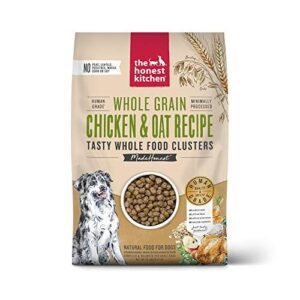
The Honest Kitchen Chicken and Oat stands out with its human-grade wholefood ingredients, meeting stringent pet food safety standards while delivering complete nutritional requirements for dogs.
You’ll find 24% crude protein from cage-free chicken nutrition supporting lean muscle, while oat benefits include digestible fiber for healthy digestion.
With 428 kcal per cup and essential omega fatty acids from salmon oil, this formula assists your dog meal planning needs. Probiotics and chelated minerals ensure peak nutrient absorption, making it a well-rounded choice for a healthy dog diet.
Best For: Dog owners looking for human-grade, whole-food nutrition with digestible ingredients that work well for picky eaters or dogs with sensitive stomachs.
- High-quality protein from cage-free chicken plus probiotics support muscle development and digestive health
- Flexible feeding options—use as a complete meal by adding water or as a topper for dry kibble
- No artificial preservatives, by-products, or common allergens like corn, wheat, or soy
- Higher price point compared to standard dog food brands
- Pellets tend to crumble into dust at the bottom of the bag, creating waste
- Recent recipe changes have disappointed some long-time customers whose dogs were used to the original formula
2. Fresh Dog Food For Sensitive Skin
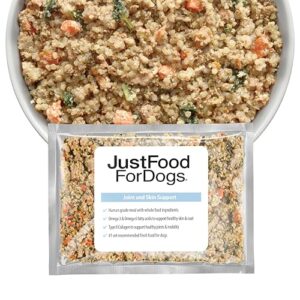
JustFoodForDogs Joint & Skin Support delivers targeted relief for dogs with skin allergies through 100% human-grade ingredients. You’ll notice fresh diets featuring pork, quinoa, and kale, enriched with omega-3 fatty acids and probiotics to calm sensitive stomach issues while nourishing skin health.
This frozen formula provides essential vitamins and omega fatty acids that support joint health simultaneously. Most dogs show reduced itching within 1-2 weeks, with shinier coats emerging by week 7.
The pate form works as a complete meal or topper for picky eaters needing specialized nutrition.
Best For: Dogs with sensitive skin, food allergies, or joint issues who need human-grade nutrition with omega fatty acids and novel proteins to reduce itching and inflammation.
- Noticeable improvements in 1-2 weeks for itching, with shinier coats and healthier skin by week 7-8
- Human-grade ingredients like pork and quinoa avoid common allergens (beef, chicken, dairy) that trigger 34-17% of skin reactions
- Works as a complete meal or topper, with omega-3/6 fatty acids supporting both skin barrier function and joint health
- Premium price point significantly higher than traditional kibble or dry dog food
- Requires freezer space and thawing planning, which adds handling steps compared to shelf-stable options
- Limited shipping availability may restrict access depending on your location
3. High Protein Large Breed Dog Food
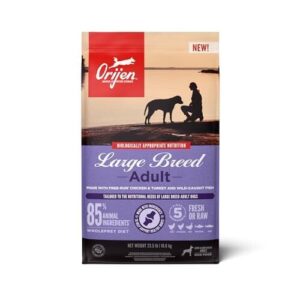
ORIJEN Adult Large Breed Dog Food answers the unique demands of bigger dogs by pairing 85% quality animal ingredients—free-run chicken, turkey, and wild-caught fish—with naturally occurring omega-3 fatty acids that support joint health and mobility.
This 23.5lb bag delivers targeted protein for lean muscle maintenance, while probiotics and fiber promote digestive support your large breed needs.
The WholePrey approach includes organs and cartilage, ensuring balanced nutrient absorption without synthetic fillers that can upset sensitive stomachs.
Best For: Large breed adult dogs who need high-quality protein to maintain lean muscle and joint support to keep them moving comfortably as they age.
- 85% animal ingredients from free-run poultry and wild-caught fish deliver the protein large breeds need without relying on fillers or by-products.
- Natural omega-3s plus glucosamine and chondroitin work together to support joints, which take a beating in bigger dogs.
- WholePrey recipe with organs and cartilage provides balanced nutrients the way nature intended, plus probiotics help keep digestion on track.
- Price point runs higher than many mainstream large breed foods, so it’s a bigger commitment for your budget.
- Some dogs experience stomach upset or loose stools during the transition, so you’ll need to switch slowly.
- A few dogs simply don’t tolerate the formula well, meaning it’s not a universal fit despite the premium ingredients.
4. Grass Fed Beef Dog Food
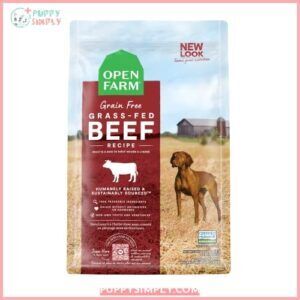
Open Farm Grass-Fed Beef gives your dog nutrient-dense protein that’s free of antibiotics and hormones, aligning with today’s dog food trends toward sustainable beef and cleaner labels.
Grass-fed beef nutrition delivers higher omega-3 fatty acids—improving the omega-6 to omega-3 ratio—plus elevated vitamins and minerals like vitamin E that support pet health outcomes including coat quality and immune function.
This grain-free formula pairs real beef with non-GMO produce and superfoods, offering complete fats and fatty acids while keeping dog food ingredients traceable and transparent for your peace of mind.
Best For: Dog owners seeking a premium, grain-free diet with traceable grass-fed beef for pets with food sensitivities or those wanting higher omega-3s and cleaner ingredients.
- Higher omega-3 fatty acids and vitamin E than conventional beef support healthier skin, coat, and immune function
- Transparent sourcing with no antibiotics, hormones, or artificial additives gives you confidence in what you’re feeding
- Nutrient-dense formula with superfoods like pumpkin and coconut oil works well for dogs with grain allergies or digestive issues
- Kibble size may be too small for larger breeds or dogs that eat quickly
- Premium grass-fed ingredients make this one of the pricier options on the market
- Some dogs experience digestive adjustments or don’t take to the smell during the transition period
5. Duck And Pear Dog Food
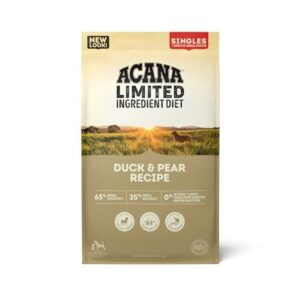
ACANA’s Duck and Pear recipe brings together 65% duck ingredients with fiber-rich fruits to address dog allergies and food sensitivities head-on. Duck nutrition supplies 28%–31% protein plus essential B vitamins and iron, while pear benefits include six grams of fiber per serving to support digestive wellness.
This limited-ingredient formula meets nutritional requirements for dogs at all life stages, delivering omega-3 fatty acids, glucosamine for joints, and probiotics for immune support. Wholefood ingredients build a healthy dog diet without grains or synthetic additives, promoting true pet wellness.
Best For: Dogs with food sensitivities or allergies who need a simple, high-protein diet that’s easy on the stomach and supports healthy skin.
- Single-protein formula with 65% duck reduces allergy risks while delivering 28–31% protein for strong muscles and energy.
- Fiber-rich pears, sweet potatoes, and pumpkin promote smooth digestion and regular stool health.
- Includes omega-3s, glucosamine, and probiotics to support joints, coat quality, and immune function across all life stages.
- Premium pricing makes it one of the more expensive dog food options on the market.
- Strong smell from the duck ingredients may be off-putting to some pet owners.
- Some dogs may be picky eaters and not find the flavor appealing, leading to wasted food.
6. Raw Dog Food Meal Mixer
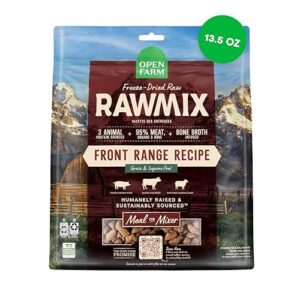
If you’re looking to enhance your dog’s bowl beyond simple kibble, Open Farm’s freeze-dried raw dog food meal mixer delivers 95% real meat, organs, and bones with bone broth infusion. These minimally processed, bioavailable ingredients preserve raw nutrition through gentle freeze-drying, transforming ordinary meals into wholefood nutrition.
With 48% crude protein and probiotics supporting dog wellness, this mixer works as a complete meal or topper. Raw diets featuring raw ingredients help dogs maintain firmer stools, shinier coats, and improved energy—though you’ll want to monitor your pup’s response, as some sensitive stomachs need adjustment time.
Best For: Dog owners wanting to boost their pet’s nutrition with a high-protein, minimally processed meal topper or complete meal that supports digestive health and coat quality.
- High nutritional density with 95% real meat, organs, and bones plus bone broth for bioavailable nutrients and probiotics
- Versatile use as either a complete meal or kibble topper, making it easy to customize your dog’s diet
- Supports visible health improvements including firmer stools, shinier coat, and increased energy levels
- Premium price point at $38.85 for 13.5oz may be prohibitive for daily feeding, especially for larger dogs
- Some dogs experience digestive upset or adverse reactions during transition, requiring careful monitoring
- Quality control inconsistencies reported by some customers, with occasional batches arriving dry and powdery rather than properly freeze-dried
7. Honest Kitchen Beef and Oat Food
The Honest Kitchen’s Whole Grain Beef & Oat offers dehydrated nutrition with 22.5% protein from real beef and whole eggs, meeting AAFCO standards while delivering complete amino acids for muscle maintenance.
Oat benefits shine through beta-glucan fiber, supporting digestive health, while the 8.5% fiber content aids pet weight management better than typical kibble.
Rehydration tips are straightforward: mix dry portions with warm water based on your dog’s size. This wholefood ingredients approach uses human-grade beef quality and chelated minerals, making nutritional requirements for dogs simple to meet.
The healthy dog diet features on every dog food label worth reading.
Best For: Dog owners looking for minimally processed, human-grade nutrition with whole grains who want flexible feeding options for adult or senior dogs with sensitive stomachs.
- Real beef and whole eggs deliver 22.5% protein with complete amino acids, exceeding AAFCO standards for adult maintenance
- Beta-glucan fiber from oats and barley supports digestive health and weight management with 8.5% fiber content
- Dehydrated format allows precise portion control and can be served as a complete meal, topper, or kibble mix
- Higher carbohydrate content from grains may cause constipation in some dogs
- Requires preparation time to rehydrate with warm water before each feeding
- Premium pricing compared to conventional kibble options
Proper Storage and Safety of Dog Food Ingredients

Even the most nutritious dog food ingredients can lose their value if you don’t store them properly. Temperature, moisture, and contamination all play a role in keeping your dog’s meals safe and fresh.
Let’s walk through the practical steps that protect both the quality of the food and your dog’s health.
Best Practices for Storing Dry and Wet Food
Proper dog food storage guidelines begin with temperature control—keep both dry dog food and wet dog food below 80°F to prevent spoilage.
Follow these hygiene practices to extend shelf life:
- Use airtight storage containers to lock out moisture and pests
- Implement food rotation by using older packages first
- Store original bags in cool, dry locations away from direct sunlight
These simple steps preserve nutrients and keep your pup’s meals safe.
Maintaining Ingredient Freshness and Quality
Beyond proper storage practices, ingredient freshness depends on understanding expiration dates and shelf life markers. Check “best by” labels before purchasing, and don’t assume unopened kibble lasts indefinitely—studies show 7.2% of owners feed expired food.
Packaging innovations like vacuum-sealing help, but you’ll want to monitor for off-odors or color changes that signal nutrient degradation, especially in preservative-free formulas.
Cleaning Bowls and Utensils
Regarding pet hygiene, your dog’s bowl ranks as the third most contaminated item in your home. Studies reveal that ceramic and plastic surfaces harbor E. coli, salmonella, and even MRSA—a sobering reminder that bowl sanitation directly impacts food safety.
To protect your dog and family through proper utensil care and cleaning methods:
- Wash wet food bowls after each meal using hot water and dish soap
- Clean dry kibble bowls daily to prevent bacterial buildup
- Run bowls through the dishwasher weekly for thorough disinfection
- Spray cleaned utensils with 70% rubbing alcohol for quick sanitation between uses
Metal bowls show higher contamination than plastic in research, while hand-washing alone doesn’t eliminate harmful bacteria. Following these dog food storage guidelines reduces zoonotic disease transmission—protecting both you and your pet.
Safe Handling and Disposal of Old Food
When food safety meets real-world schedules, knowing when to toss old dog food prevents contamination risks tied to spoilage prevention. Wet food left at room temperature becomes unsafe after 2–4 hours, while opened cans refrigerated beyond 3–5 days should be discarded despite food expiration dates.
| Food Type | Safe Disposal Timeline |
|---|---|
| Wet food (served) | 2–4 hours at room temp |
| Opened cans (refrigerated) | 3–5 days |
| Dry kibble (in bowl) | 8–24 hours maximum |
| Fresh/raw (served) | 30–60 minutes in warmth |
Following dog food storage guidelines and safe disposal methods protects your pet from bacterial growth. Seal spoiled food in plastic bags before trash disposal—this simple step prevents pests while addressing pet food storage concerns around preservatives and dog food ingredient types degradation.
Frequently Asked Questions (FAQs)
What are the healthiest ingredients for dog food?
The healthiest ingredients include named animal proteins like chicken or salmon, whole grains such as oats, omega-3 fatty acids from fish oil, probiotics for digestion, and whole-food ingredients rich in vitamins and minerals for complete nutrient balance.
What should top 3 ingredients be in dog food?
You’ll want a high-quality animal protein like chicken or beef first, followed by a whole grain such as brown rice, then a named fat source like chicken fat or fish oil for balanced dog nutrition.
What are the top 5 healthiest dog food?
You’ll find top-rated options in Nature’s Logic (with proven feeding trials), The Farmer’s Dog (fresh, human-grade nutrition), Purina Pro Plan (veterinarian-recommended), Nulo FreeStyle, and Merrick Classic Healthy Grains for wholefood ingredients.
What is the healthiest thing to feed your dog?
You’ll want a complete and balanced diet featuring wholefood ingredients: high-quality animal proteins, healthy fats, complex carbohydrates, and essential vitamins and minerals meeting your dog’s specific nutritional requirements for peak canine wellness.
How much food should I feed my dog?
Your dog’s daily feeding amount depends on weight, age, and activity level. Feeding guidelines on dog food labels provide a starting point, but adjust portions based on your dog’s body condition and caloric needs.
What foods are toxic to dogs?
Several common foods pose serious risks—chocolate contains toxic theobromine, grapes cause kidney failure, onions trigger anemia, xylitol induces hypoglycemia, and macadamia nuts bring weakness. These toxic ingredients demand immediate veterinary attention if ingested.
Can I feed my dog raw meat?
While raw meat risks include bacterial contamination and nutritional imbalances, some owners pursue raw diet benefits.
However, major veterinary associations recommend cooked protein for feeding safety, protecting both pet nutrition and your family’s health.
How do I know if my dog is getting enough nutrients?
You’ll notice signs like a shiny coat, steady energy, and firm stools.
Regular veterinary checkups track bioavailable ingredients absorption, ensuring your dog’s nutritional needs meet essential requirements for canine wellness and ideal pet nutrition balance.
What are some low-calorie treat options?
Freeze-dried chicken liver contains less than 1 calorie per piece, while crunchy treats like Charlee Bear deliver just 3 calories each.
Raw fruits such as celery provide only 6 calories per stalk, and homemade biscuits can offer low-calorie alternatives.
Can dogs eat a vegetarian or vegan diet?
Yes, dogs can thrive on properly formulated plant-based diets that meet nutritional standards.
You’ll need to guarantee adequate protein, taurine, B12, and essential fatty acids through carefully selected vegetarian ingredients and targeted supplementation.
Conclusion
Every bite your dog takes is either building their health or borrowing from it. The nutritious dog food ingredients you choose today shape tomorrow’s energy, coat shine, and vitality.
You’ve now got the knowledge to decode labels, spot quality proteins, and avoid hollow fillers. Your dog can’t read ingredient lists, but their body reacts to every choice you make.
Choose ingredients that honor their biology, and watch them thrive in ways kibble alone never could.
- https://www.dogfoodadvisor.com/choosing-dog-food/dog-food-vitamin-mineral-standards/
- https://pmc.ncbi.nlm.nih.gov/articles/PMC8174467/
- https://zoomveteriner.com/en/dog-food-2025-guide/
- https://www.aafco.org/wp-content/uploads/2023/01/Model_Bills_and_Regulations_Agenda_Midyear_2015_Final_Attachment_A.__Proposed_revisions_to_AAFCO_Nutrient_Profiles_PFC_Final_070214.pdf
- https://www.consumerreports.org/health/pet-food/whats-really-in-your-dogs-food-a1115304393/