
This site is supported by our readers. We may earn a commission, at no cost to you, if you purchase through links.

Your dog spots a bell pepper on the cutting board and tilts their head with unmistakable interest. It’s a familiar moment for anyone who’s ever prepped dinner with a curious pup nearby. Bell peppers are crunchy, colorful, and smell nothing like their usual kibble—so of course they want a piece.
The good news: dogs can eat bell peppers, and they’re one of the safer human foods you can share. Red, yellow, orange, or green—each color brings a slightly different nutritional punch, from vitamin C to beta-carotene.
What matters most is how you prepare and portion them.
Table Of Contents
- Key Takeaways
- Can Dogs Eat Bell Peppers?
- Are Bell Peppers Good for Dogs?
- Which Bell Pepper Color is Best?
- What Nutrients Do Bell Peppers Offer?
- How to Prepare Bell Peppers Safely
- How Much Bell Pepper Can Dogs Eat?
- Can Puppies Eat Bell Peppers?
- What Risks Should Owners Know?
- Which Peppers Are Unsafe for Dogs?
- Top 3 Bell Pepper Pairings
- Frequently Asked Questions (FAQs)
- Are bell peppers good for dogs?
- Are sweet red peppers safe for dogs?
- How much pepper can a dog eat?
- Can dogs eat peppers?
- What chips are dog friendly?
- Are any peppers toxic to dogs?
- What is the best vegetable for dogs?
- Can dogs eat bell pepper seeds?
- Can I eat bell peppers on a keto diet?
- Can dogs eat bell peppers without chewing them?
- Conclusion
Key Takeaways
- Plain bell peppers are safe for dogs in moderation, but you must remove the seeds, stem, and leaves, and skip any oils, salt, garlic, or onions.
- Red bell peppers pack the highest levels of vitamin C, beta-carotene, and antioxidants, making them the best color choice for your dog’s health.
- Stick to the 10% treat rule—no more than ¼ to ½ a pepper per serving depending on your dog’s size, offered two to three times a week.
- Hot peppers like jalapeños, habaneros, and cayenne are off-limits entirely, since capsaicin irritates a dog’s mouth, stomach, and gut.
Can Dogs Eat Bell Peppers?

Yes, dogs can eat bell peppers — but a few things determine whether it’s a good idea for your dog. The color, preparation, and what’s added to the pepper all matter more than most owners realize.
Red peppers tend to be the safest and most nutritious choice, as this guide to dogs eating red bell peppers breaks down exactly why color makes a real difference.
Before tossing a slice into your dog’s bowl, here’s what you need to know.
Plain Bell Peppers Are Generally Safe
Most dogs handle plain raw or lightly cooked bell peppers without any trouble. The safety of bell peppers for dogs comes down to one key rule: keep them simple. Vet endorsement is consistent here — no oils, no seasoning, no extras. For microbial safety, always wash thoroughly, and consider organic sourcing to reduce pesticide exposure. Monitor for allergy symptoms after the first bite.
- Red, green, yellow, and orange varieties are all non-toxic
- Bell peppers contain no capsaicin — the compound that burns
- Plain preparation is what keeps them safe
- Washing removes surface bacteria and residue
- Introduce slowly and watch your dog’s reaction
Red peppers provide most vitamins and antioxidants for dogs, making them the top choice for nutritional benefit.
Serve Only in Moderation
Even safe foods can cause trouble when given in excess. Think of bell peppers like any treat — portion monitoring matters. Keep servings within the 10% daily calorie rule, and aim for weekly frequency rather than daily feeding. Incremental serving helps with balanced diet integration and digestibility.
Recommended serving sizes of bell peppers for dogs remain small. Moderate feeding practices protect your dog’s stomach long-term, ensuring digestibility and preventing dietary imbalance.
Avoid Seasoned or Stuffed Peppers
Plain is always the safer path. Seasoned or stuffed peppers carry hidden sodium, toxic additives like garlic and onion, and fatty fillings that your dog doesn’t need.
Complex flavors from chili powder or mixed seasonings also raise allergen risk. When feeding bell peppers to dogs, avoiding toxic ingredients in dog food matters most — safe preparation methods for dog snacks start with keeping things simple.
Are Bell Peppers Good for Dogs?

Bell peppers aren’t just safe for dogs — they actually bring some real nutritional value to the table. Think of them as a crunchy little bonus that does more than just satisfy your dog’s curiosity.
Here’s what makes them worth adding to your dog’s snack rotation: their low-calorie content, rich vitamin profile, and fiber support digestive health while offering a satisfying texture.
Low-calorie Snack Option
At just 26 calories per 100 grams, bell peppers are one of the most calorie-friendly treats you can offer your dog. They make a genuinely healthy alternative snack when you want to reward without overfeeding.
Here’s why they work so well:
- Low-calorie treats fit easily within the 10% daily treat rule.
- Nutritional benefits include vitamins and antioxidants.
- Simple flavor enhancers aren’t needed — dogs enjoy the natural sweetness.
Supports Hydration and Fullness
Bell peppers are about 92% water, so every crunchy bite delivers real Hydrating Crunch and Moisture Enrichment without extra calories. This Water‑Rich Bulk adds volume, supporting Satiety Through Volume and Fiber‑Driven Fullness through 2.1 g of dietary fiber per 100 g — a smart low-calorie treat for hydration support.
| Benefit | What It Means | Why It Helps |
|---|---|---|
| High water content | 92% water by weight | Boosts daily hydration support |
| Low calorie density | ~26 kcal per 100 g | Keeps treats light |
| Dietary fiber | 2.1 g per 100 g | Slows digestion, promotes satiety |
Hydration Benefits of Raw Vegetables for Dogs are real — this is one easy way to add both fullness and fluids to your dog’s day.
Adds Antioxidants to The Diet
Bell peppers quietly deliver something powerful — free radical protection through vitamins C, E, and beta-carotene working in antioxidant synergy. Red peppers hit seasonal antioxidant peaks with the highest carotenoid bioavailability, and light steaming actually enhances lycopene absorption.
Red peppers deliver peak antioxidant power through vitamins C, E, and beta-carotene working in natural synergy
For dogs, steady antioxidant intake aids immune health and reduces cellular stress. That’s a real nutritional benefit of bell peppers for canines worth noting.
Which Bell Pepper Color is Best?
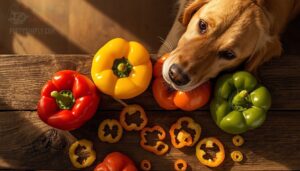
Bell peppers come in four colors, and each one brings something a little different to the table. The color actually tells you a lot about what’s inside, especially regarding vitamins and antioxidants.
Here’s how each color stacks up for your dog.
Red Bell Peppers
Red bell peppers sit at the top of the color lineup for a reason. Their ripening process runs the longest, and that extra time on the vine drives carotenoid levels higher than any other color. You get more beta-carotene, more vitamin C, and natural sweetness your dog will likely enjoy.
Follow storage best practices — refrigerate promptly — to preserve those nutritional benefits of bell peppers for canines.
Green Bell Peppers
Green bell peppers are the youngest version of the fruit — harvested before chlorophyll breakdown reveals sweeter pigments underneath. This explains why they’re firmer, slightly bitter, and have a better shelf life than riper colors. They’re also budget-friendly, with price trends favoring them year-round.
As safe vegetables for dogs, green peppers still offer solid nutritional benefits for canines:
- About 30 calories per cup
- Vitamin C, B6, and potassium
- 2.6 grams of fiber per serving
Yellow and Orange Bell Peppers
Yellow and orange bell peppers sit between green and red on the ripeness scale — and that Seasonal Harvest timing shows in every bite. Their Mellow Sweetness and Ripe Texture make them easy for most dogs to enjoy.
Yellow peppers derive their Bright Color Appeal from lutein and zeaxanthin, while orange peppers deliver a Carotenoid Boost through beta-cryptoxanthin — a broader antioxidant mix than yellow peppers offer.
How Color Affects Nutrient Levels
Color isn’t just cosmetic — it’s a ripeness map. As peppers mature, a clear Carotenoid Increase and Vitamin C Rise occurs in this order:
- Green — lowest ripe-fruit pigments, mildest Antioxidant Power Shift
- Yellow — lutein and zeaxanthin emerge
- Orange — beta-cryptoxanthin builds the Lycopene Gradient
- Red — peak Pigment Ripeness Correlation, strongest Nutrient Profile of Red Bell Peppers
This is your Color Differences in Bell Pepper Nutrient Content at a glance.
What Nutrients Do Bell Peppers Offer?
Bell peppers aren’t just a crunchy snack — they actually bring a solid mix of vitamins and minerals to the table.
Each color delivers something a little different, but all of them pack nutrients your dog can genuinely benefit from. Here’s a closer look at what’s inside.
Vitamin C Benefits
Bell peppers pack a solid dose of vitamin C, and that matters more than you might think.
It drives collagen synthesis, keeping your dog’s skin, joints, and tissues strong.
It also delivers a real immune boost, helping white blood cells fight infection.
Additionally, they provide antioxidant protection, enhance iron absorption, and support neurotransmitter function — and you’ve got some serious nutritional benefits of bell peppers in canine diet.
Vitamin a and Beta-carotene
Vitamin C isn’t the only nutrient worth noting here. Bell peppers also supply beta-carotene, a provitamin, which a dog’s body converts into vitamin A through the BCMO1 enzyme — a process called Beta‑Carotene Conversion. Unlike Preformed Vitamin A from animal liver, this conversion is self-regulating.
Pair peppers with a little fat for Fat‑Enhanced Absorption, and those antioxidants work even harder.
Vitamin E and Vitamin K
Bell peppers deliver fat-soluble vitamins E and K, which require dietary fat for optimal absorption. These vitamins work synergistically when paired with healthy fats in your dog’s diet.
Vitamin E provides antioxidant protection for cells, while vitamin K supports bone metabolism and healthy clotting. Both nutrients play vital roles in maintaining your dog’s overall health.
However, high vitamin E intake can disrupt the balance with vitamin K, potentially raising bleeding risk. This interaction underscores the importance of moderation in supplementation.
Fiber, Potassium, and Folate
These three nutrients round out the nutritional profile of bell peppers for canine consumption nicely.
- Fiber – promotes fiber digestion and regular bowel movements
- Soluble vs insoluble fiber both present, aiding gut balance
- Potassium – provides electrolyte support and potassium balance for muscles
- Folate – assists in folate synthesis and healthy cell repair
- Low calories – keeps treats guilt-free
How to Prepare Bell Peppers Safely
Getting bell peppers ready for your dog takes just a few simple steps. A little prep work goes a long way in keeping things safe and easy to eat.
Here’s exactly how to do it right.
Wash Peppers Thoroughly
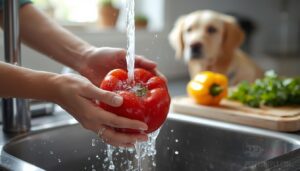
Before you slice anything, give that pepper a proper rinse. Hold it under cool running water and rub the skin by hand — this is your first line of defense in preparing bell peppers for dogs safely.
Inspect before washing for any soft spots or dirt hiding in the folds.
Dry before storing if you’re not using it right away.
Remove Core, Seeds, and Stems
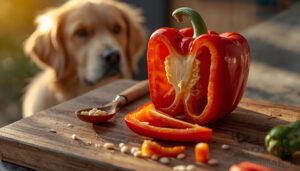
Once the pepper is rinsed, it’s time to tackle the inside. Start with core removal — a small knife or efficient pepper corer works well. Seeds and stems must go before serving. Here’s a quick checklist for preparing bell peppers for dogs:
- Cut out the core and pale inner ribs
- Scoop seeds using seed extraction techniques — a spoon works perfectly
- Snap or slice off the stem completely
Clean prep means safer snacking.
Cut Into Bite-size Pieces
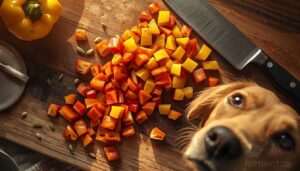
Cutting the pepper into uniform cube cuts — roughly 1-inch pieces — makes each bite an easy serving size for your dog. Smaller, consistent pieces also help with even heat distribution if you lightly steam them later. Think of it as portion visual tricks: more pieces feel like more food.
Match the size to your dog’s mouth, and you’re set.
Raw, Steamed, or Pureed Options
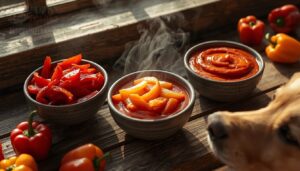
Your dog’s chewing ease and dental health should guide your choice here. Raw bell pepper preserves the most vitamin C and delivers a satisfying crunch — great for dogs that handle crunchy snacks well.
Lightly steamed softens the skin for senior dogs or picky eaters, while pureed pepper blends smoothly into meals as a topper.
All three options work when kept plain.
Skip Oil, Salt, Garlic, and Onions
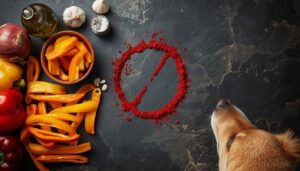
Plain is the only way to go. Oil-free feeding and salt-free snacks aren’t just preferences — they’re the standard for safe pepper prep. Allium toxicity from onions or garlic is a real risk; the ASPCA links these human foods, toxic to pets, to red blood cell damage.
Seasoning hazards also include salt. Keep bell peppers raw or lightly steamed, flavorless treats only.
How Much Bell Pepper Can Dogs Eat?

Even though bell peppers are safe for dogs, portion size still matters.
Too much of a good thing can upset your dog’s stomach, so it’s worth knowing exactly how much to offer.
Here’s a simple breakdown to help you get it right.
Start With a Small Piece
The first time you offer bell pepper, think of it as a taste test, not a treat. Cut one bite-size piece, assess your dog’s chewing capacity, and watch closely.
Observe digestive signs like gas, loose stool, or vomiting over the next few hours. Wait between feedings before offering more.
Gradual size scaling and moderation feeding practices help avoid potential gastrointestinal issues from overfeeding.
Portion Sizes by Dog Size
Once your dog tolerates that first bite well, you can adjust portions based on size.
Toy dog portions stay small — just a thin slice or two. Small breed servings top out at around ¼ pepper. Medium dog allowances reach ¼ to ½ pepper. Large dog portions allow up to ½ pepper, while giant breed guidelines permit about ¾ pepper per serving.
Follow The 10% Treat Rule
Portion size is only half the picture. Calorie budgeting matters just as much. The 10% treat rule keeps meal balance intact — bell peppers count toward that daily cap like any other snack.
Here’s a simple framework for dog treat portion control:
- Know your dog’s daily calorie needs
- Cap treats at 10% of that total
- Track everything, including tiny training bites
Veterinary guidance recommends this for weight management year-round.
How Often to Feed Bell Peppers
For most healthy adults, two to three times a week works well. Active dogs can handle the upper end; sedentary or overweight dogs do better at twice weekly.
Puppies’ weekly portions should stay tiny—once or twice a week maximum.
Think of it as a seasonal feeding plan: adjust based on your dog’s weight, activity level, schedule, and digestive monitoring intervals after each serving.
Can Puppies Eat Bell Peppers?

Puppies can eat bell peppers, but they need a gentler approach than adult dogs.
Their digestive systems are still developing, so what works for a grown dog might not sit right with a young pup.
Here’s what to keep in mind before offering bell peppers to your puppy.
Safe Starting Amounts for Puppies
Puppies require weight-based dosing even for mild foods like a bell pepper. Begin with a pea-sized piece—this serves as your incremental taste trial. Closely monitor for adverse reactions, such as loose stool, gas, or vomiting, before offering additional amounts.
Treat calorie accounting is critical; ensure bell peppers constitute well under 10% of daily intake. This prevents dietary imbalances while accommodating the new food.
Adhere to frequency guidelines: limit introductions to once or twice weekly. Only increase access after monitoring digestive response confirms tolerance.
Best Textures for Easy Chewing
Texture matters more than you’d think for puppies and bell peppers. Their developing teeth and gums need food that’s easy to break down.
- Pureed Consistency – Blend plain raw or lightly cooked bell peppers into a smooth mash; frozen into small cubes to soothe teething gums
- Steamed Soft Strips – Steam for 3–5 minutes for fork-tender pieces that fall apart easily
- Fine Dicing – Pea-sized cuts mix into kibble without overwhelming young teeth
- Moist Blended Mix or Mashed Chunks – Both options keep hydration high and chewing fatigue low when preparing vegetables for pets
When to Ask Your Veterinarian
Even one odd symptom after feeding bell pepper deserves a quick call to your vet. Don’t wait it out.
| Sign | What It May Mean | Action |
|---|---|---|
| Persistent vomiting | Puppy dehydration risk | Call vet within hours |
| Breathing difficulty or swelling reactions | Allergic response | Veterinary emergency immediately |
| Blood in stool | Internal irritation | Same-day veterinarian consultation |
What Risks Should Owners Know?
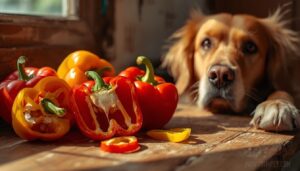
Bell peppers are safe for most dogs, but a few risks are worth knowing before you make them a regular snack. Even good foods can cause problems when prepared the wrong way or given in the wrong amount.
Here’s what to watch out for.
Vomiting, Diarrhea, and Gas
Too much bell pepper can tip your dog’s stomach into full-on digestive upset. Vomiting and excessive gas are often triggered by overfeeding or gut flora disruption from sudden dietary changes.
Watch for food intolerance signs like diarrhea or GI upset shortly after eating. These symptoms indicate your dog’s system is struggling to process the pepper.
Dehydration indicators—dry gums, lethargy—require immediate action. If observed, ensure your dog drinks water and consult a vet promptly.
Choking From Large Pieces
Large bell pepper pieces are a real choking hazard — chunk shape safety matters more than most dog owners realize. Round or thick wedges won’t bend in a small dog’s throat, posing serious risks. Always remove seeds and stems, then cut the peppers into thin strips or tiny cubes to minimize danger.
Watch for critical signs of distress: pawing at the mouth or labored breathing indicates an emergency. Immediate action is essential if these symptoms occur. Small portions protect your dog best — prioritize careful preparation and serving sizes to prevent accidents.
Food Sensitivities and Allergies
Some dogs have food allergies, and bell peppers can still trigger a reaction — even without common protein triggers like eggs or meat. Allergic reactions and food sensitivities in dogs can develop at any time.
Watch for hives, vomiting, or swelling after the first serving. If symptoms appear, stop feeding peppers and consult your vet.
Discuss elimination diet options or allergy testing with your veterinarian to address the issue effectively.
Why Leaves Should Be Avoided
Bell pepper leaves look harmless, but they’re not. Toxic leaf compounds called oxalates make them a real oxalate-related kidney risk — and yes, that means potential kidney stones. Always discard the leaves before serving.
Unlike the fruit itself, bell pepper leaves fall into the same category as other nightshade-family foliage with solanine poisoning potential.
Leaf identification challenges make this step non-negotiable.
When Symptoms Need Urgent Care
Most pepper reactions stay mild — upset stomach, brief vomiting, or gastrointestinal distress.
However, certain symptoms demand immediate emergency care. Watch for these critical red flags:
- Chest Pain Alerts: labored breathing or visible chest heaving
- Stroke Warning Signs: sudden disorientation, loss of balance, or collapse
- Anaphylaxis Indicators: facial swelling, widespread hives, or throat tightness
- Head Trauma Red Flags: unresponsive behavior or seizures
- Severe Bleeding Responses or symptoms of capsaicin poisoning in dogs — drooling, pawing at the mouth, or worsening distress — all require emergency and urgent care immediately.
Which Peppers Are Unsafe for Dogs?
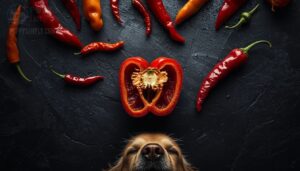
Not all peppers belong in your dog’s bowl — and the difference really comes down to one compound: capsaicin. While bell peppers are safe, many other varieties can cause real discomfort for dogs.
Here’s a closer look at the peppers you’ll want to keep far out of reach.
Jalapeños and Serranos
Both jalapeño peppers and serrano peppers are off-limits for your dog. Capsaicin risk is real — even a small bite can trigger vomiting, diarrhea, and drooling.
Serranos pack roughly three times the heat of jalapeños, making potential digestive upset from hot peppers even worse. Below is a comparison of key features:
| Feature | Jalapeño | Serrano |
|---|---|---|
| Heat levels | 2,500–8,000 SHU | 10,000–25,000 SHU |
| Wall thickness | Thick | Thin |
| Capsaicin sensitivity risk | Moderate | High |
Habaneros and Ghost Peppers
If serranos worried you, habaneros and ghost peppers are in a different league entirely. Habanero peppers clock in at 100,000–350,000 Scoville Heat Units. Ghost peppers? Around 1 million.
That capsaicin level is far beyond your dog’s heat tolerance. Even tiny amounts can cause serious digestive upset. Skip both completely — no flavor pairings or handling precautions make these safe for dogs.
Chili Peppers and Cayenne
Cayenne and chili peppers carry the same capsaicin toxicity concern, just in a more everyday form. Cayenne usually sits around 30,000–50,000 Scoville units — strong enough to cause real heat sensitivity in dogs.
Even a sprinkle of cayenne powder can trigger drooling, vomiting, and stomach pain. Veterinary advice is consistent here: skip both entirely.
For added flavor, plain herbs are far safer spice alternatives.
Banana, Poblano, and Shishito Peppers
Not all "mild" peppers are dog-friendly by default. Banana peppers, poblano peppers, and shishito peppers fall within a low-to-moderate heat range, but this does not guarantee their safety for dogs.
Watch for these potential risks:
- Banana peppers — pickling versatility often involves brining with garlic or onion.
- Poblanos — their suitability for stuffing may lead to seasoned fillings toxic to dogs.
- Shishitos — blister-grilling methods typically add oil and salt.
Ripeness-induced flavor changes also increase unpredictability.
Signs of Capsaicin Irritation
If your dog sneaks a bite of a spicy pepper, watch closely. Capsaicin triggers burning skin around the mouth, redness, swelling, and tearing of the eyes almost immediately. You might notice drooling, pawing at the face, throat pain, or coughing and wheezing.
The health effects of capsaicin on dogs include serious digestive irritation, vomiting, and diarrhoea. These risks of spicy peppers for dogs aren’t worth taking.
Top 3 Bell Pepper Pairings
Bell peppers pair well with certain dog foods and treats that complement their mild flavor and nutritional value.
Combining them with the right products can make snack time both safe and satisfying for your dog.
Here are three options worth considering.
1. PetPlate Venison Fresh Dog Food
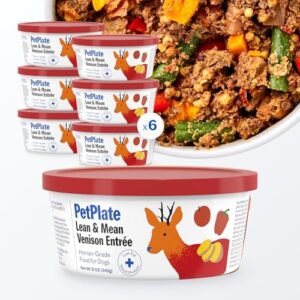
If you want bell peppers to shine in your dog’s bowl, pairing them with a nutritionally complete meal makes all the difference. PetPlate’s Lean & Mean Venison already includes red bell peppers in its ingredient list, so the work is done for you.
This recipe is human-grade, gently cooked, and made without artificial preservatives, ensuring quality and safety. Its preparation is simple: just thaw, serve, and feel good about what’s in the bowl.
Nutritionally, it offers 35 kcal per ounce with low fat content, making it a smart choice for sensitive or weight-conscious dogs. The balanced formula supports their health while delivering flavor.
| Best For | Dogs with food sensitivities or weight management needs who benefit from a novel protein source like venison. |
|---|---|
| Artificial Additives | None |
| Bell Peppers | Red bell peppers |
| Vegetables Included | Carrots, green beans, sweet potatoes |
| Product Form | Frozen fresh food |
| Suitable For | All life stages |
| Picky Eater Use | Yes, standalone or topper |
| Additional Features |
|
- Made with human-grade ingredients, vet-formulated, and free from artificial preservatives or fillers — you know exactly what’s in the bowl.
- Venison and liver make it a great option for dogs that react to common proteins like chicken or beef.
- Works as a complete meal or a kibble topper, so it fits into a lot of different feeding routines.
- At $70 a case, it’s a noticeable step up in cost compared to most dry or canned foods.
- You’ll need consistent freezer space, and partially thawed deliveries can be a hassle to deal with.
- The potatoes and starches mean it’s not a fit for dogs on strict grain-free or low-carb diets.
2. Fromm Salmon Sweet Potato Dog Treats
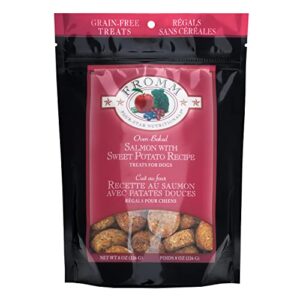
Fromm’s Salmon with Sweet Potato treats are a smart pairing when you’re already adding bell peppers to your dog’s diet. Each biscuit contains green bell peppers, spinach, and salmon as its first ingredient, making it a nutritious choice.
They’re oven-baked, grain-free, and free of artificial preservatives, ensuring a wholesome snack. With just 12 calories per biscuit, they fit seamlessly into the 10% treat rule without compromising your pet’s diet.
Fromm has been crafting pet food since 1904, a legacy of consistency worth trusting. Their long-standing expertise reinforces the quality of these treats.
| Best For | Dog owners who want a clean-ingredient, protein-rich treat for training, travel, or everyday rewards — especially those already feeding salmon or veggie-forward diets. |
|---|---|
| Artificial Additives | None |
| Bell Peppers | Green bell peppers |
| Vegetables Included | Sweet potatoes, carrots, green beans |
| Product Form | Baked treats |
| Suitable For | All breeds and life stages |
| Picky Eater Use | Yes, as treat reward |
| Additional Features |
|
- Salmon is the first ingredient, so you’re getting real protein up front — great for muscle health and easy digestion.
- Only 12 calories per treat, which makes it easy to reward often without blowing your dog’s daily calorie budget.
- No artificial colors, flavors, or preservatives, and it comes from a family company that’s been doing this since 1904.
- Contains chicken fat, which could be a problem if your dog has chicken sensitivities.
- Pricier than most store-brand options, and larger dogs may need several treats at a time, so the bag can go fast.
- At under 8 oz per bag, you might find yourself reordering more often than you’d like.
3. Pawfect Furfuel Chicken Liver Dog Topper
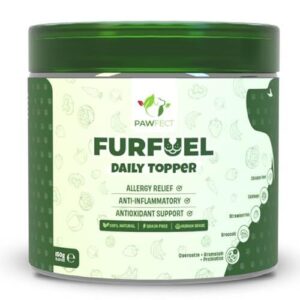
Pawfect Furfuel is a chicken liver-based powder designed as a meal topper for dogs. It blends 75% real liver with nutritious ingredients like spinach, broccoli, banana, and bell pepper-adjacent additions such as paprika and quercetin. This combination creates a natural companion to your bell pepper routine.
Simply sprinkle it over any meal for easy feeding. Dosage guidelines recommend one tablespoon daily for dogs under 5 kg, with larger dogs receiving increased amounts based on their size.
The formula promotes digestion, immunity, and coat health while remaining free of artificial additives, ensuring a wholesome boost to your dog’s diet.
| Best For | Dogs with allergies, sensitive stomachs, or picky eaters who need a natural boost to their daily meals. |
|---|---|
| Artificial Additives | None |
| Bell Peppers | Not specified |
| Vegetables Included | Spinach, broccoli, cabbage |
| Product Form | Powder supplement |
| Suitable For | All dogs needing supplementation |
| Picky Eater Use | Yes, meal palatability enhancer |
| Additional Features |
|
- Packed with real chicken liver, probiotics, and quercetin to support digestion, immunity, and skin health all at once
- 100% natural and grain-free — no artificial preservatives, colors, or fillers to worry about
- Easy to use — just sprinkle it over any meal, no prep needed
- Small 150g package runs out fast, especially if you have a big dog or multiple dogs
- Not a complete meal replacement, so it won’t work as a standalone food
- Dogs sensitive to chicken liver or any of the fruit and veggie ingredients could have a reaction
Frequently Asked Questions (FAQs)
Are bell peppers good for dogs?
Yes, bell peppers are good for dogs. They’re low in calories, rich in vitamins A and C, and offer fiber and antioxidants that support immunity, digestion, and overall health.
Are sweet red peppers safe for dogs?
Sweet red peppers are safe for dogs. They contain no capsaicin — the fiery culprit behind hot peppers — so your pup can enjoy a few plain, bite-sized pieces without worry.
How much pepper can a dog eat?
Most dogs do well with ¼ to ½ a bell pepper per serving, depending on size. Small dogs get just a tablespoon or two. Always stay under 10% of their daily calories.
Can dogs eat peppers?
Plain bell peppers are safe in moderation for your dog. They’re non-toxic, low in calories, and packed with vitamins.
Just skip the spicy varieties — capsaicin doesn’t agree with dogs at all.
What chips are dog friendly?
Most chips aren’t dog-friendly. Plain chips are non-toxic but too salty and fatty to share regularly.
Safer crunchy swaps include raw carrots, cucumber slices, or plain air-popped popcorn with no seasoning added.
Are any peppers toxic to dogs?
Yes — one bite of jalapeño, serrano, habanero, or cayenne can leave your dog drooling, vomiting, and miserable for hours.
Hot peppers contain capsaicin, which irritates a dog’s mouth, stomach, and intestines badly.
What is the best vegetable for dogs?
There’s no single winner, but carrots, green beans, and pumpkin top most lists. They’re low in calories, easy to digest, and packed with vitamins your dog actually needs.
Can dogs eat bell pepper seeds?
Bell pepper seeds aren’t toxic to dogs, but they can cause mild stomach upset if eaten in larger amounts.
Remove them before serving to keep things simple and easy on your dog’s digestion.
Can I eat bell peppers on a keto diet?
You can eat bell peppers on keto. One medium pepper has about 6–7 grams of total carbs, and the fiber brings net carbs down, making them a smart, low-calorie choice.
Can dogs eat bell peppers without chewing them?
Dogs can technically swallow bell pepper pieces whole, but it’s not ideal. Large chunks pose a choking risk and can be harder to digest.
Always cut peppers into small, bite-sized pieces first to ensure safety and ease of digestion.
Conclusion
Something so small and simple—a sliced bell pepper—can be one of the most thoughtful things you offer your dog. That’s the quiet paradox of good pet nutrition: the best choices often come from your own kitchen, not a specialty store.
Dogs can eat bell peppers safely when you prep them right, sizing them properly, and skip the seasonings. Keep it plain, keep it fresh, and your dog gets a colorful little reward that actually earns its place in the bowl.
- https://www.dogcancer.com/articles/diet-and-lifestyle/bell-peppers-for-dogs/
- https://www.petscare.com/news/post/bell-peppers-good-for-dogs
- https://petzyo.com.au/blogs/health-wellbeing/can-dogs-eat-capsicum
- https://www.candogseatit.com/blog/fruit-veg/can-dogs-eat-bell-peppers
- https://www.rover.com/uk/blog/can-dogs-eat-peppers/